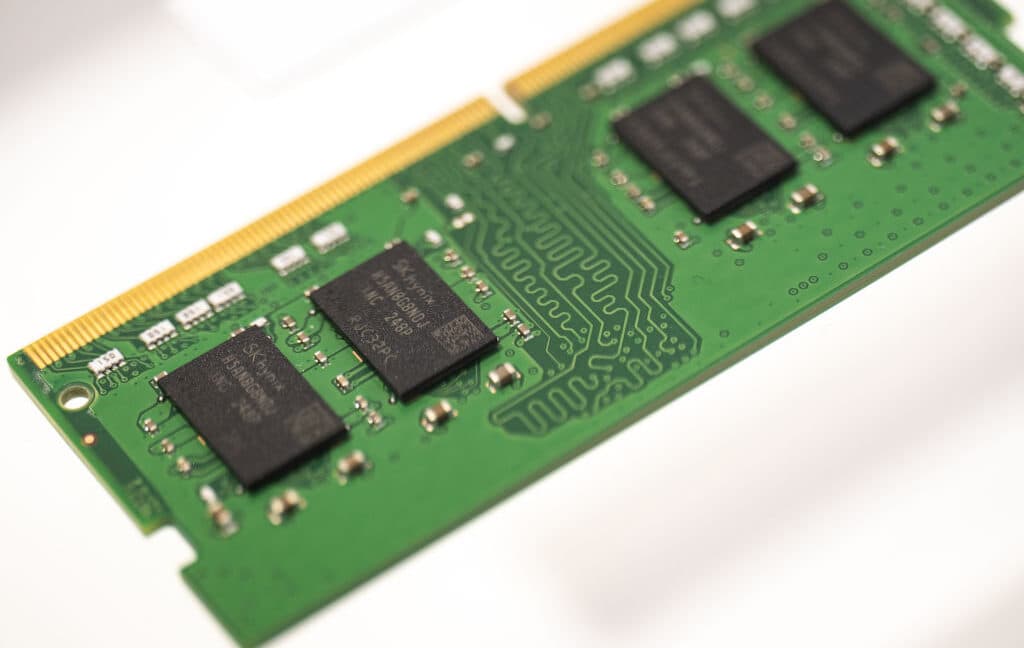
Executives in the memory semiconductor industry have indicated that a shortage of RAM is expected to persist through 2028. This projection comes as prices for memory products intended for 2027 are significantly higher than those for 2026, reflecting ongoing supply chain challenges and increased demand.
Impact on Consumers and Manufacturers
The anticipated shortage is likely to affect both consumers and manufacturers, as higher prices for RAM could lead to increased costs for electronic devices. This situation may result in a ripple effect across various sectors that rely on memory chips, from personal computing to mobile devices and beyond. Manufacturers may need to adjust their pricing strategies to accommodate the rising costs of components.
Industry experts suggest that the shortage is attributed to a combination of factors, including supply chain disruptions and a surge in demand for advanced computing technologies. As more industries adopt artificial intelligence and machine learning solutions, the need for high-performance memory continues to grow, further straining available resources.
Future Outlook
Looking ahead, memory executives are closely monitoring market trends and production capabilities to navigate the ongoing challenges. While some analysts believe that the situation may stabilize in the coming years, others caution that uncertainties in the global economy and technological advancements could prolong the shortage.
As the market evolves, consumers and businesses alike will need to stay informed about potential price fluctuations and availability of RAM products. The memory industry remains a critical component of the technology landscape, and its developments will continue to shape the future of electronic devices.