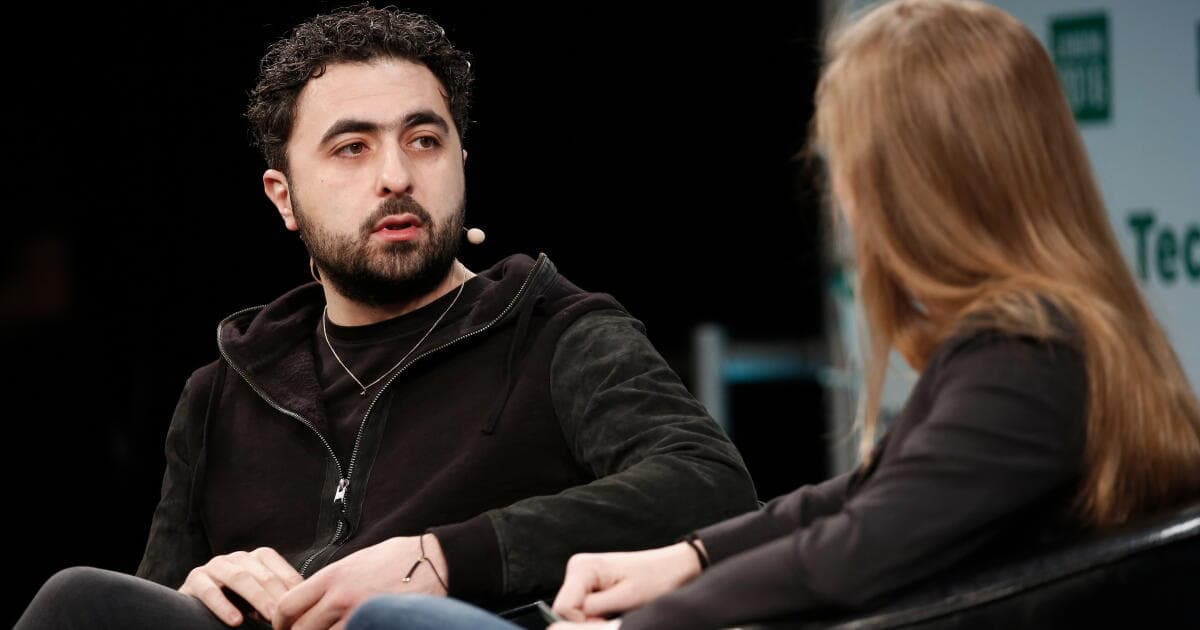
Microsoft AI CEO Mustafa Suleyman has issued a strong warning to the technology industry regarding the pursuit of creating conscious machines. In recent statements, Suleyman emphasized the potential dangers of developing artificial intelligence that is treated as sentient, raising concerns about the ethical implications and risks associated with such advancements.
Suleyman's caution comes at a time when the field of artificial intelligence is rapidly evolving, with significant investments and research aimed at enhancing machine capabilities. He argues that the industry must tread carefully, as the distinction between human-like consciousness and advanced algorithms can blur, leading to unintended consequences. The implications of creating machines that could be perceived as conscious could provoke ethical dilemmas and societal challenges that are not yet fully understood.
Ethical Considerations in AI Development
The conversation around conscious AI is becoming increasingly relevant as technology continues to advance. Suleyman urges developers and researchers to prioritize ethical considerations in their work, advocating for a framework that recognizes the limitations of AI. He believes that treating machines as sentient beings could lead to a range of issues, including the potential for misuse of technology and the erosion of human values.
As the debate over the future of AI intensifies, Suleyman's insights serve as a reminder of the responsibility that comes with innovation. He calls for a collective effort within the industry to establish guidelines that prevent the development of AI systems that could be misconstrued as having consciousness. By doing so, he hopes to foster a safer and more responsible approach to AI technology.
The Path Forward
Looking ahead, Suleyman advocates for a balanced approach to AI research that emphasizes transparency and accountability. He encourages collaboration among technologists, ethicists, and policymakers to address the complex questions surrounding AI and its role in society. By fostering an open dialogue about the implications of conscious machines, the industry can work towards solutions that prioritize human welfare and ethical standards.
As discussions about the future of AI continue, Suleyman's warnings highlight the importance of thoughtful consideration in the development of new technologies. The call for caution resonates in an era where the boundaries of artificial intelligence are constantly being tested, reminding stakeholders of the profound impact their innovations can have on society as a whole.