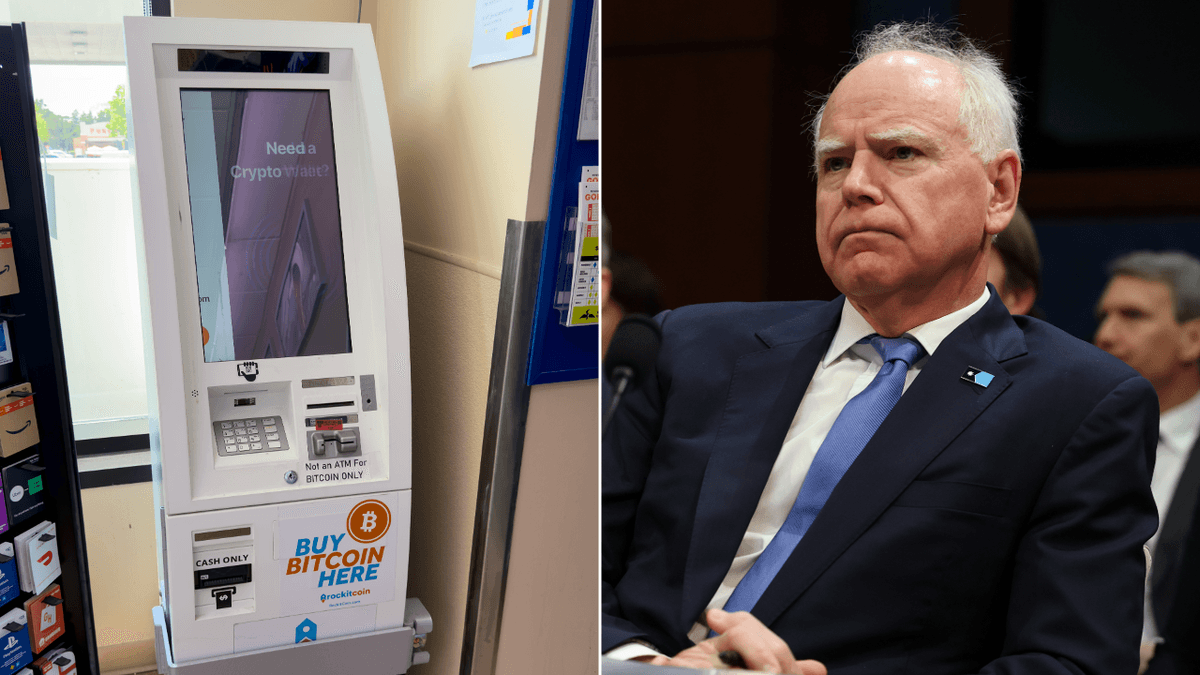
Minnesota has enacted a ban on cryptocurrency ATMs, effective Saturday, following concerns over fraud targeting the elderly population. The legislation was signed into law by Governor Tim Walz in early May, marking a significant step in the state's efforts to combat financial scams that have increasingly involved these machines.
Legislative Response to Fraud Concerns
The decision to prohibit crypto ATMs comes as a response to rising incidents of scams that exploit vulnerable individuals, particularly seniors. Lawmakers expressed alarm over reports of fraudsters using these machines to deceive elderly residents into investing in cryptocurrencies, often leading to substantial financial losses. The new law aims to protect consumers by eliminating the availability of these machines in Minnesota.
Governor Walz emphasized the importance of safeguarding the state's elderly population from financial exploitation. The legislation reflects a broader trend across the country, where various states are scrutinizing the operations of cryptocurrency-related businesses and services in light of increasing reports of fraud.
Impact on the Cryptocurrency Landscape
The ban on crypto ATMs in Minnesota may have implications for the broader cryptocurrency landscape. While proponents of digital currencies argue for their benefits, including ease of access and investment opportunities, the rise in fraudulent activities has raised significant concerns among regulators. As states like Minnesota take action, it could lead to tighter regulations on cryptocurrency transactions nationwide.
As the financial landscape continues to evolve, the challenge remains to balance innovation in digital currencies with the need for consumer protection. The Minnesota ban serves as a reminder of the risks associated with cryptocurrency investments and the importance of vigilance against scams targeting vulnerable populations.