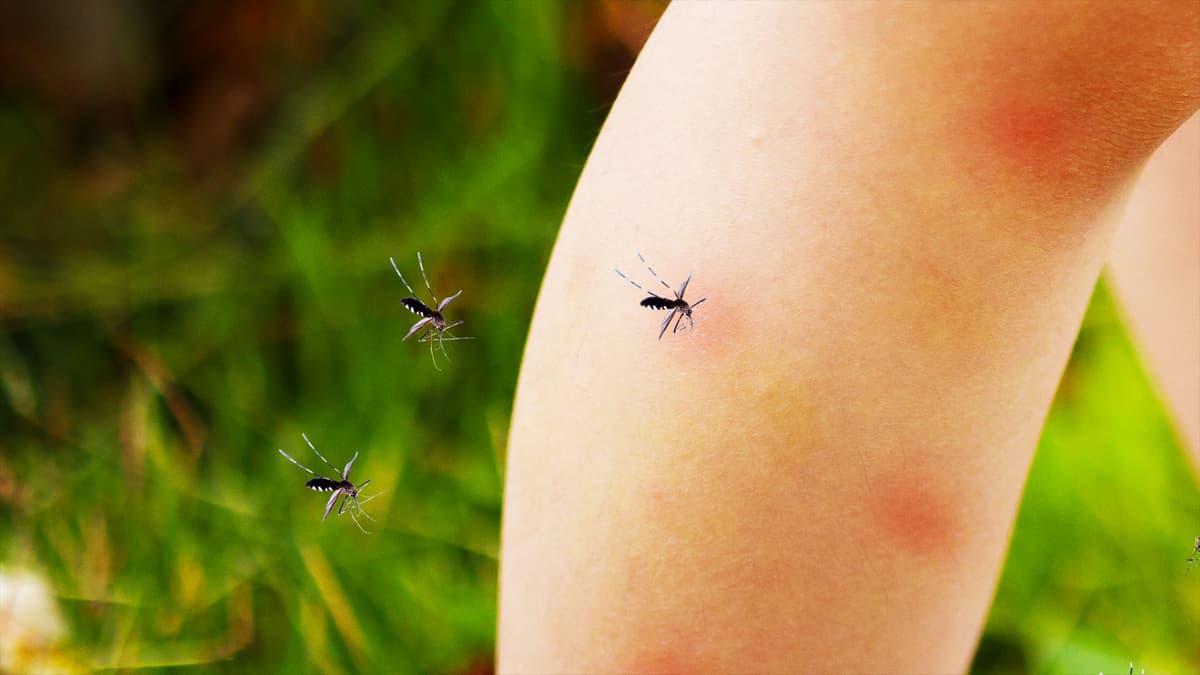
Mosquito Magnet: Why Some People Get Bitten More Often
Recent scientific investigations have shed light on the factors that make certain individuals more attractive to mosquitoes. Researchers have identified a variety of elements, ranging from alcohol consumption to skin bacteria, that can influence one's susceptibility to mosquito bites. Understanding these factors can help individuals take preventive measures to reduce their chances of being bitten, especially during peak mosquito season.
Factors Influencing Mosquito Attraction
One of the major contributors to mosquito attraction is the consumption of alcohol. Studies suggest that individuals who drink beer, for instance, may attract more mosquitoes than those who abstain. This phenomenon is thought to be linked to the changes in body chemistry that occur after alcohol consumption, which can produce a scent that is appealing to these insects.
Another significant factor is the presence of specific bacteria on the skin. Research indicates that the composition of skin microbiota can vary greatly from person to person, and some bacterial profiles are more attractive to mosquitoes. This means that individuals with certain skin bacteria may find themselves on the receiving end of more bites, while others may remain relatively unbothered.
Everyday habits also play a role in mosquito attraction. Factors such as body temperature, sweat production, and even the color of clothing can influence how appealing a person is to mosquitoes. For example, darker clothing tends to attract more mosquitoes, while lighter colors may be less enticing. Additionally, individuals who sweat more may release more lactic acid and ammonia, substances that can lure mosquitoes closer.
As scientists continue to explore the complex interactions between humans and mosquitoes, the hope is that this knowledge will lead to more effective strategies for mosquito bite prevention. By understanding the various influences on mosquito attraction, individuals can make informed choices to minimize their risk of being bitten, particularly during warm weather when mosquito populations are at their highest.