The Citizens Budget Commission has recommended that the Metropolitan Transportation Authority (MTA) consider job eliminations as a strategy to address anticipated budget challenges. The suggestion comes in light of ongoing financial pressures faced by the MTA, which has been grappling with rising operational costs and declining revenue streams.
Job Cuts in Automated Services
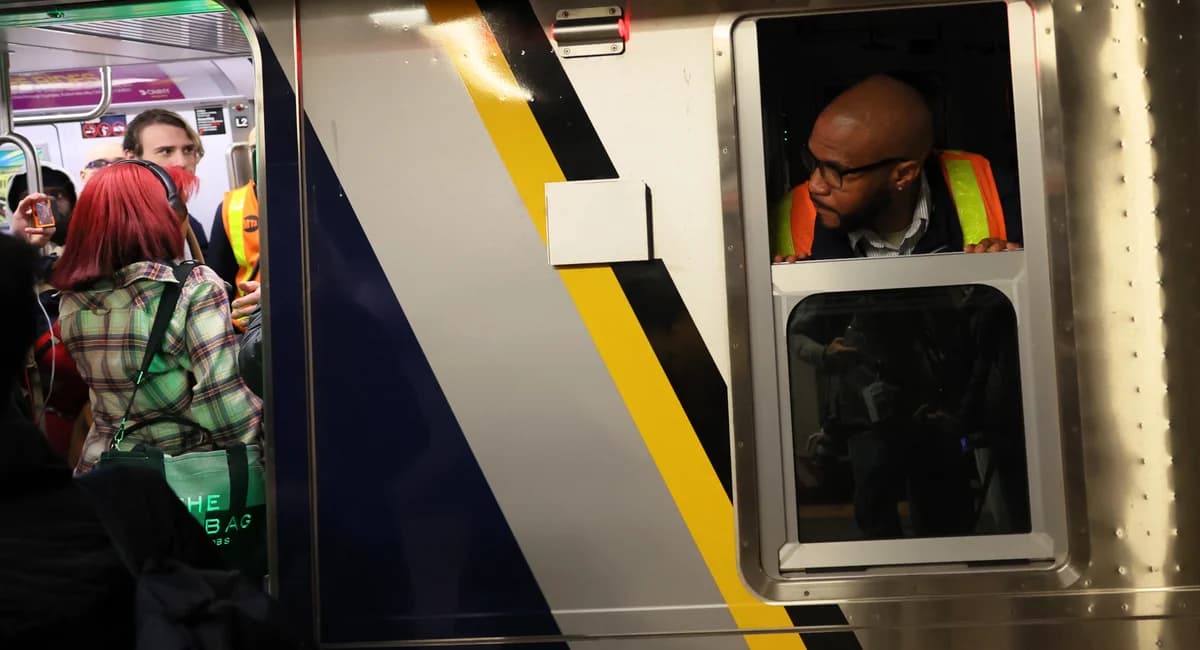
Among the key recommendations is the proposal to reduce staffing on fully automated train lines by eliminating one crew member per train. This measure aims to streamline operations and reduce labor costs in an effort to stabilize the MTA's financial outlook. The Citizens Budget Commission argues that with advancements in technology and automation, certain positions may no longer be necessary, allowing the MTA to allocate resources more efficiently.
As the MTA prepares for a potentially challenging budget cycle, the watchdog group emphasizes the importance of proactive measures to ensure the long-term sustainability of public transit services. The MTA has faced significant fiscal challenges in recent years, exacerbated by the COVID-19 pandemic, which led to decreased ridership and revenue losses.
Impact on Public Transit
While the proposal aims to bolster the MTA's financial health, it raises concerns about the implications for job security within the agency. Critics argue that reducing staff could negatively impact service quality and safety. The MTA has historically prioritized staffing levels to ensure the safe and efficient operation of its transit systems, and any potential cuts may prompt discussions about the balance between financial prudence and service reliability.
The MTA is expected to review the recommendations from the Citizens Budget Commission as it develops its budget for the upcoming fiscal year. Stakeholders, including transit advocates and labor representatives, will likely engage in discussions regarding the potential effects of job reductions on both employees and riders. The outcome of these deliberations will play a crucial role in shaping the future of public transportation in the region.