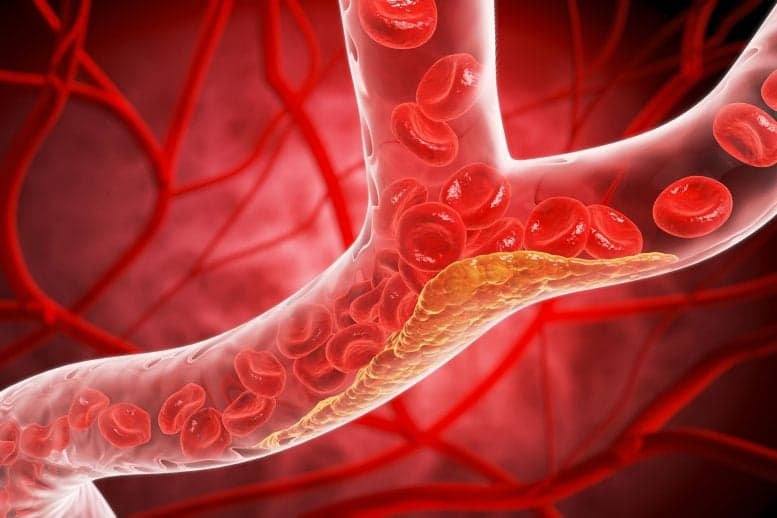
New CRISPR Therapy Shows Promising Results in Reducing Cholesterol Levels
A groundbreaking experimental therapy utilizing CRISPR-Cas9 technology has demonstrated significant potential in reducing "bad" cholesterol levels. A recent study reported that a single infusion of this innovative treatment led to a remarkable 52.5% reduction in low-density lipoprotein (LDL) cholesterol and a 47.8% decrease in triglycerides, as observed 12 months post-treatment.
The findings suggest that this novel approach could offer a long-term solution for individuals struggling with high cholesterol, which is a major risk factor for heart disease. The therapy works by targeting specific genes responsible for cholesterol production in the liver, effectively altering the way the body metabolizes lipids. Researchers are optimistic about the implications of these results, as they indicate not only safety but also sustained efficacy over a prolonged period.
Potential Impact on Heart Health
Heart disease remains one of the leading causes of death globally, and high cholesterol levels are a significant contributor to this health crisis. Traditional treatments, such as statins, often come with side effects and may not be effective for all patients. The introduction of a CRISPR-based therapy could revolutionize the way high cholesterol is managed, offering a more targeted and potentially safer alternative.
As the medical community continues to explore the applications of gene-editing technologies, this study marks a significant milestone in cholesterol treatment. Researchers emphasize the need for further trials to confirm these results and assess the long-term safety and effectiveness of the CRISPR-Cas9 therapy. If successful, this treatment could change the landscape of cardiovascular health management and provide millions with a new weapon against heart disease.