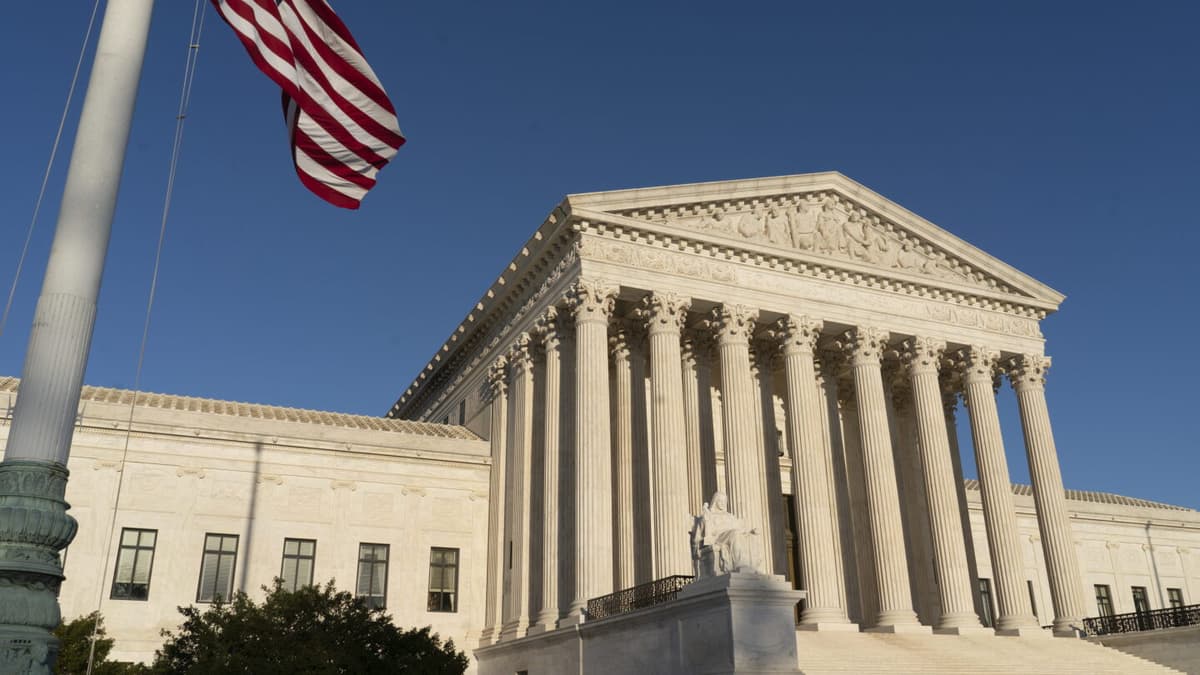
The National Football League (NFL) has taken its argument regarding prediction markets to the Supreme Court, asserting that these markets should be classified as gambling. This legal battle underscores the ongoing debate about the nature of prediction markets, particularly in relation to sports betting regulations.
Legal Implications of Prediction Markets
Prediction markets allow individuals to place bets on the outcomes of various events, including sports games. The NFL's position is that these markets, which can involve wagering on the results of games, fall under the same legal definitions as traditional gambling. This assertion has significant implications for the future of sports betting and the regulation of prediction markets across the country.
The Supreme Court's review of this case could set a precedent that either reinforces or challenges existing laws surrounding gambling. With the increasing popularity of sports betting and the rise of technology-driven platforms, the outcome of this case may reshape how prediction markets are viewed legally. Stakeholders in the sports industry, as well as lawmakers, are closely monitoring the developments as they could impact both state and federal regulations.
Broader Context of Sports Betting
The discussion around prediction markets is part of a larger national conversation about sports betting, which has gained traction since the Supreme Court overturned a federal ban on sports wagering in 2018. Many states have since legalized various forms of sports betting, leading to a surge in interest and participation. However, the classification of prediction markets remains contentious, with differing opinions on their legality and ethical implications.
As the Supreme Court hears arguments, the NFL's stance reflects its commitment to protecting the integrity of the sport. The league has historically been cautious about gambling influences, aiming to maintain a clear distinction between sports and betting activities. The outcome of this case will likely influence not only the NFL but also other professional sports leagues and their approach to gambling-related issues moving forward.