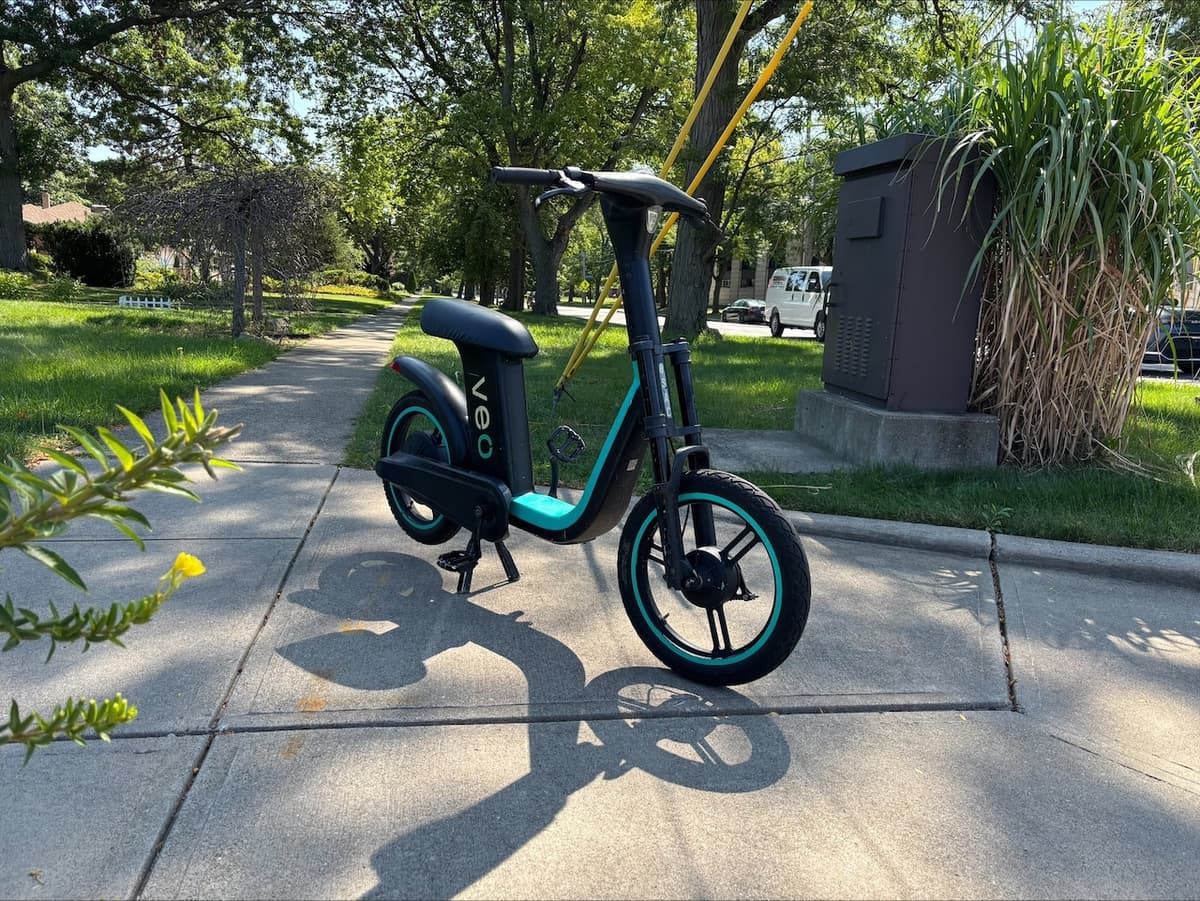
Northeast Ohio E-Bike Regulations Vary by Municipality
As electric bicycles gain popularity across the United States, Northeast Ohio has established specific regulations governing their use. Ohio law categorizes e-bikes into three distinct classes, yet the authority to determine where these bikes can be ridden falls primarily to local governments and park systems. This has resulted in a patchwork of rules that vary significantly from one municipality to another.
Understanding E-Bike Classifications
Ohio law defines three classes of e-bikes: Class 1, which are pedal-assist bikes that provide assistance only when the rider is pedaling; Class 2, which are equipped with a throttle that can propel the bike without pedaling; and Class 3, which are also pedal-assist but can reach higher speeds. While these classifications help standardize e-bike types, the local jurisdictions have the discretion to establish their own regulations regarding where each class can be ridden.
For instance, Cleveland Metroparks has implemented rules that allow e-bikes on certain trails while prohibiting them in others. Similarly, Summit Metro Parks has set its own guidelines, which may differ from those in neighboring areas. Lakewood and Hudson also have unique regulations that reflect their community needs and safety concerns. Riders are encouraged to familiarize themselves with the specific rules in their area to avoid potential fines or conflicts.
The variation in e-bike regulations across Northeast Ohio highlights the importance of local governance in adapting to new transportation technologies. As the popularity of e-bikes continues to rise, local authorities are tasked with balancing the interests of e-bike users with those of pedestrians and other trail users. This dynamic presents both opportunities and challenges as communities strive to create safe and accessible environments for all forms of transportation.