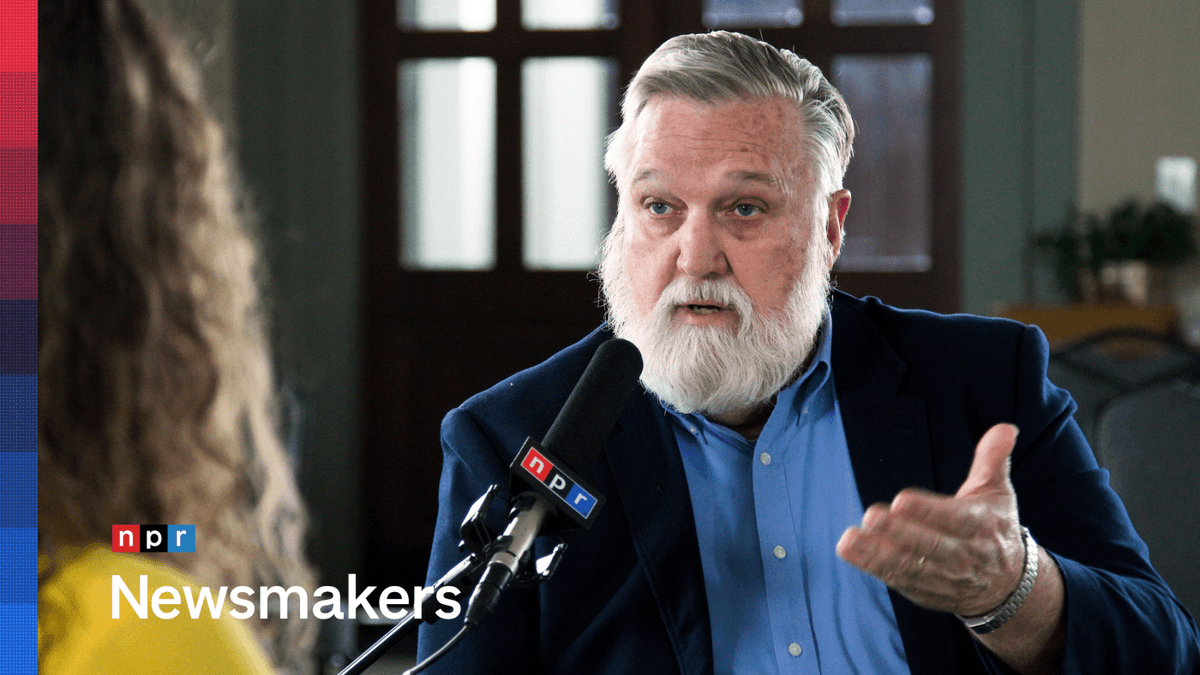
Pastor Doug Wilson, a figure known for his controversial views on social issues, has sparked significant debate after expressing his belief that women should not be allowed to vote and that homosexuality should be criminalized. His remarks have drawn criticism from various groups advocating for gender equality and LGBTQ+ rights.
, Wilson's ideologies have not only made headlines but have also led to his invitation to speak at the Pentagon earlier this year. This invitation has raised eyebrows among many who question the appropriateness of hosting someone with such polarizing views within a government institution.
Controversial Beliefs and Public Reaction
Wilson's stances on women's voting rights and homosexuality align with a broader set of traditionalist beliefs that he advocates through his writings and sermons. Critics argue that his views are regressive and harmful, particularly in a society that has made strides toward inclusivity and equality. Advocacy groups have expressed their discontent, emphasizing the need for leaders who promote progressive values rather than those that seek to restrict rights based on gender or sexual orientation.
The invitation to speak at the Pentagon has led to calls for accountability from military leaders, with many questioning the message that such a choice sends to service members and the general public. The Pentagon has faced pressure to clarify its stance on the inclusion of individuals with controversial views in official events, particularly those that could undermine the values of diversity and equality.
Implications for Future Engagements
As discussions continue around Wilson's beliefs and the implications of his invitation to the Pentagon, many are left pondering the impact of such figures in public discourse. The situation highlights the ongoing tensions between traditionalist viewpoints and modern societal values, raising questions about who gets a platform in significant national discussions.
The fallout from this incident may influence how institutions like the Pentagon approach future engagements with speakers who hold controversial views. The debate surrounding Wilson’s beliefs underscores the importance of dialogue and the necessity for institutions to consider the broader implications of their choices in representation.