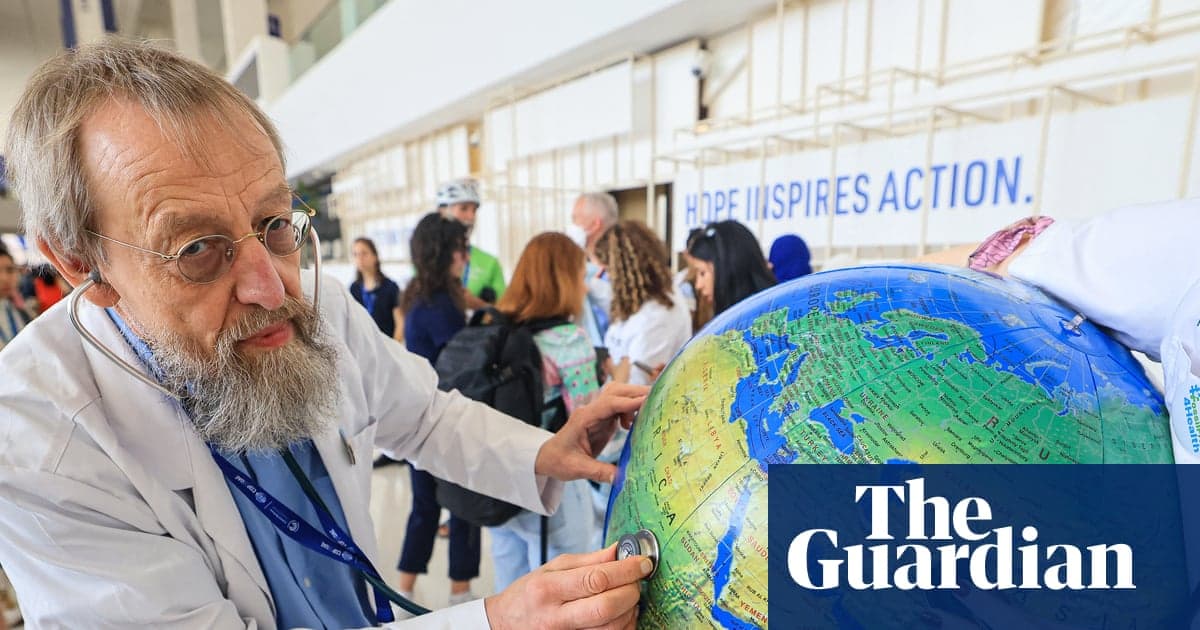
A newly established commission has identified 17 catastrophic threats to human health, including the potential for nuclear war and the malicious use of artificial intelligence, which could threaten the survival of humanity by the year 2100. The assessment highlights the urgency of addressing these risks while also suggesting that there are realistic paths to mitigate them.
Comprehensive Threat Assessment
The commission's findings emphasize the interconnected nature of these threats, suggesting that they are not only significant on their own but also exacerbate each other. The report outlines how geopolitical tensions, technological advancements, and environmental changes can lead to dire consequences for global health and safety. Among the identified threats, the potential for nuclear conflict remains a prominent concern, with the commission urging world leaders to prioritize disarmament and diplomatic efforts to reduce tensions.
In addition to nuclear war, the report raises alarms about the malicious use of artificial intelligence. As AI technology continues to evolve, its potential for misuse in various sectors, including military and cybersecurity, poses a significant risk. The commission stresses the importance of creating robust regulatory frameworks and ethical guidelines to govern AI development and deployment, ensuring that its benefits are harnessed while minimizing potential harms.
Pathways to Action
Despite the grim outlook presented by the commission, it also outlines a series of actionable steps that can be taken to mitigate these risks. These include international cooperation on arms control, investment in sustainable technologies, and the establishment of comprehensive public health strategies to address emerging threats. The commission advocates for a multi-faceted approach that involves governments, private sectors, and civil society working together to ensure a safer future.
As the world grapples with the implications of these findings, experts are calling for immediate action to address the identified threats. The commission's report serves as a wake-up call, highlighting the need for proactive measures to safeguard humanity's future in an increasingly uncertain world.