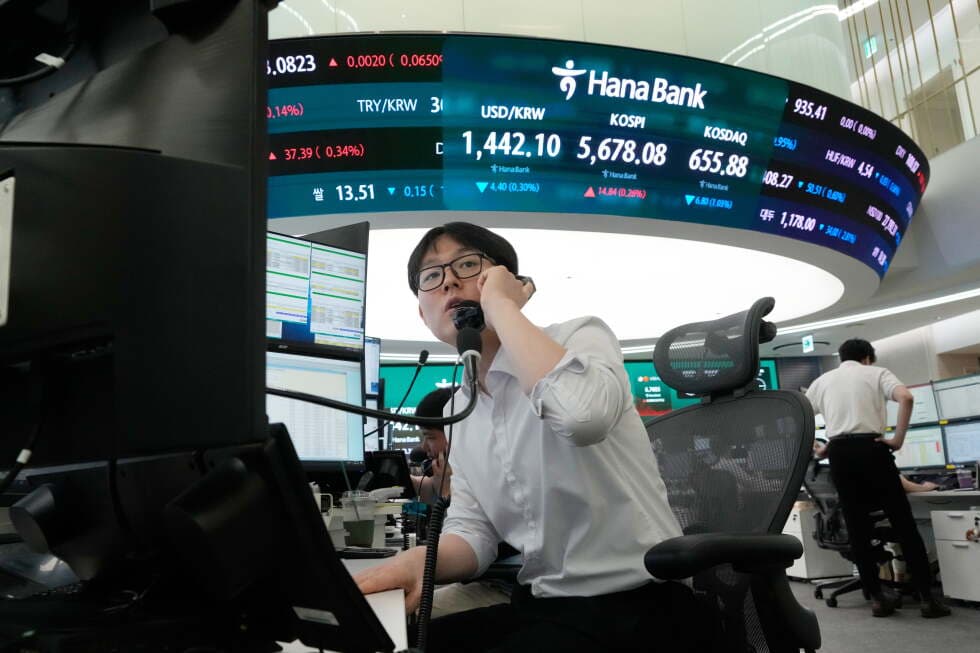
Oil prices rose on Tuesday, while Asian shares experienced a mostly downward trend, reflecting ongoing concerns in the market. The fluctuations come as South Korea's Kospi index continued its decline, extending losses after a significant drop of more than 16% over the previous two days. Investors have been selling off shares of companies associated with the semiconductor industry, contributing to the negative sentiment across the region.
Market Reactions and Trends
The recent downturn in Asian markets has been largely attributed to the performance of major chipmakers, which have faced extended losses amid a broader economic slowdown. As a result, investors are reassessing their positions and pulling back from technology stocks, which have been a significant driver of growth in the region. The decline in the Kospi index, a key indicator of South Korea's economic health, has raised concerns among analysts about the potential for further market instability.
In contrast, the rise in oil prices suggests a complex interplay of factors influencing global markets. Increased demand for crude oil, coupled with supply constraints, has led to a rebound in prices, providing a counterbalance to the negative trends observed in the Asian equity markets. This divergence highlights the multifaceted nature of the current economic landscape, where energy markets may not always align with stock market performance.
Looking Ahead
As investors navigate these turbulent waters, the focus will remain on the semiconductor sector and its recovery potential. Analysts are closely monitoring developments that could signal a turnaround for chipmakers, as well as broader economic indicators that might influence market sentiment. The coming days will be crucial for determining whether the recent trends will continue or if a stabilization phase is on the horizon for both oil prices and Asian shares.