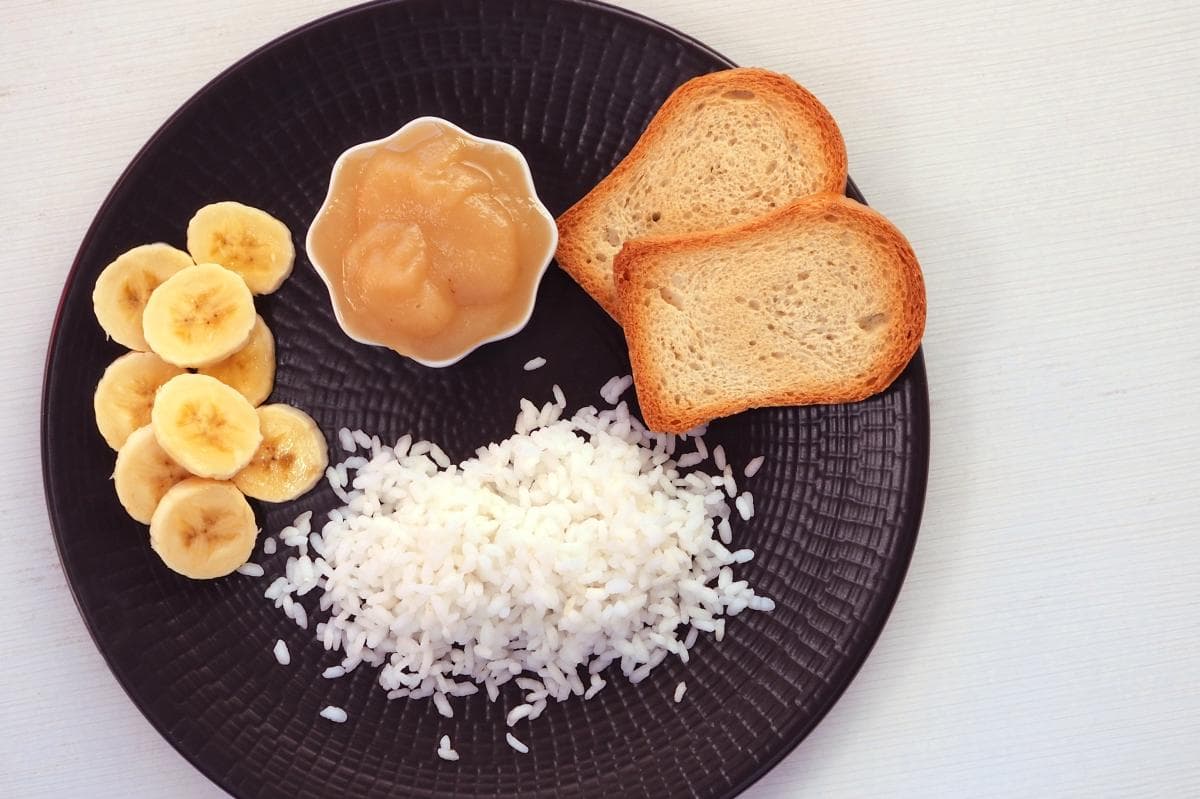
The once-popular BRAT diet, which consists of bananas, rice, applesauce, and toast, is no longer considered an effective remedy for diarrhea and nausea, according to recent findings. This meal plan has long been recommended for those suffering from gastrointestinal distress, but new insights suggest it may be more myth than miracle worker.
Changing Perspectives on Dietary Recommendations
Traditionally, the BRAT diet has been touted for its blandness and ease of digestion, making it a go-to option for individuals experiencing an upset stomach. However, health experts are now questioning its efficacy. Research indicates that while the diet may provide some short-term relief, it lacks essential nutrients and may not promote a quicker recovery from gastrointestinal issues.
Nutritionists emphasize the importance of a balanced diet, even when experiencing symptoms of nausea or diarrhea. They recommend incorporating a wider variety of foods to ensure adequate nutrition and hydration. Foods rich in protein, healthy fats, and complex carbohydrates can help support recovery more effectively than the restrictive BRAT diet.
Implications for Health and Recovery
As public understanding of nutrition evolves, healthcare providers are encouraged to consider alternative dietary strategies that can better address the needs of patients dealing with gastrointestinal discomfort. The focus is shifting towards more comprehensive dietary approaches that include hydration and nutrient-dense foods, which can facilitate recovery and restore gut health more efficiently.
In light of these findings, individuals experiencing nausea or diarrhea are advised to consult with healthcare professionals for tailored dietary advice rather than relying solely on the BRAT diet. This shift in perspective underscores the need for ongoing education regarding effective dietary practices in managing gastrointestinal symptoms.