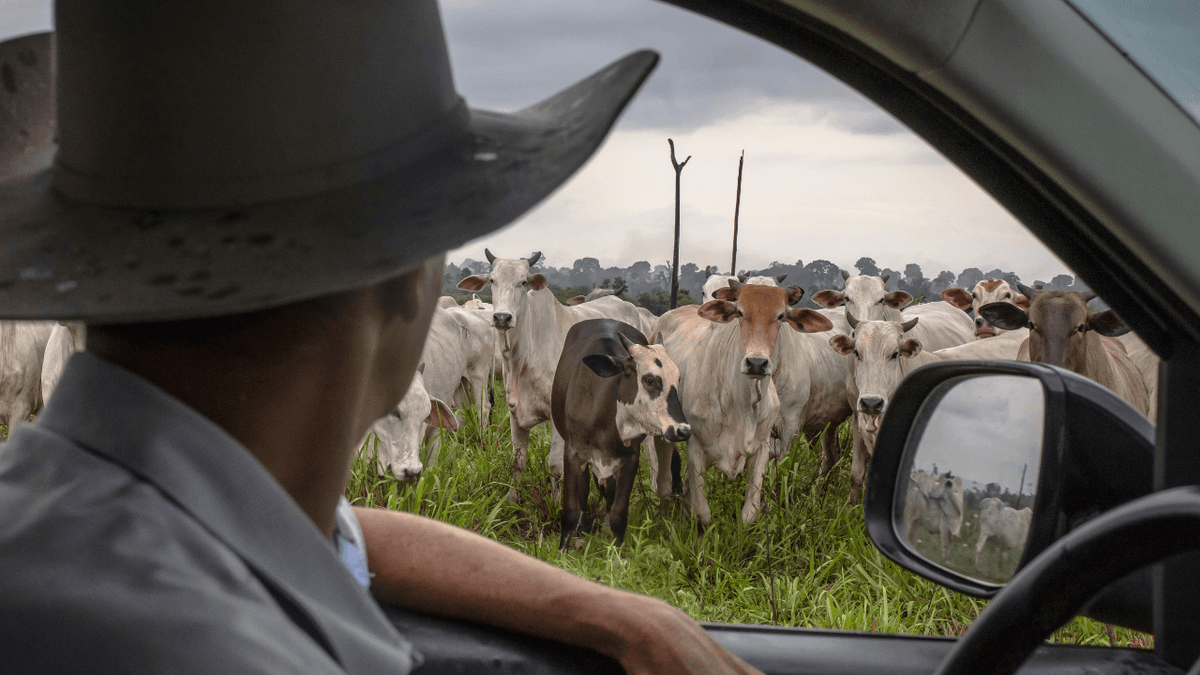
Beef Prices Surge Amid Historic Cattle Shortage
Beef prices in the United States have surged approximately 23% as the nation faces a historic shortage of cattle, reaching a 75-year low in herd numbers. This unprecedented decline is attributed to several factors, including severe drought conditions that have forced ranchers to sell off their herds earlier than planned, leading to a significant reduction in available livestock.
The U.S. Department of Agriculture (USDA) has reported that the shortage of cattle is likely to persist, creating challenges for both consumers and producers. As ranchers grapple with the impacts of prolonged drought, many are left with no choice but to reduce their herds, further exacerbating the supply issues. This situation has raised concerns about the long-term implications for the beef industry and food prices across the country.
Impact on Consumers and the Market
The rising cost of beef is expected to have a ripple effect throughout the market, affecting everything from grocery bills to restaurant menus. Consumers may find themselves paying more for their favorite cuts of meat, as retailers and restaurants adjust prices in response to the increased costs associated with sourcing beef. The current conditions are prompting many to reconsider their purchasing habits, with some opting for alternative protein sources.
This shortage not only impacts consumers but also poses challenges for ranchers and farmers who rely on stable cattle prices for their livelihoods. As the industry navigates these difficulties, experts suggest that it may take time for the cattle herd to recover, particularly if adverse weather conditions continue to impact grazing lands. The combination of high prices and limited availability is likely to shape the beef market for the foreseeable future, leaving many to wonder when, or if, the situation will improve.