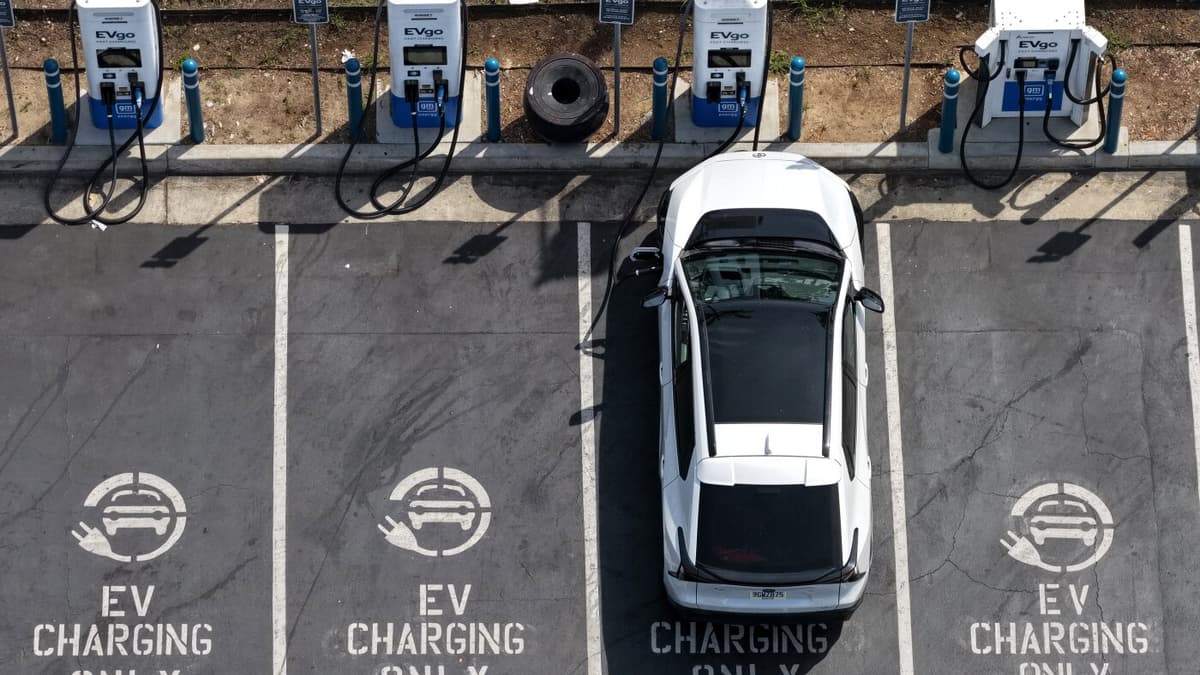
One year after the elimination of the $7,500 federal tax credit for new electric vehicle (EV) buyers, the future of electric vehicles remains a topic of discussion among consumers and industry experts. The tax incentive, which was designed to encourage the adoption of EVs, has been a significant factor in the purchasing decisions of many buyers. Now, with the credit no longer available, questions arise about the current state of the EV market and its trajectory moving forward.
Impact of the Tax Credit Elimination
The removal of the tax credit has prompted a variety of responses from potential EV buyers. Some consumers have expressed concerns about the affordability of electric vehicles without the financial incentive, while others remain committed to transitioning to electric options regardless of the tax credit's absence. Industry analysts note that the impact of the tax credit's removal could vary by region, as local incentives and the availability of charging infrastructure may play a significant role in consumer decisions.
Despite the challenges posed by the loss of the tax credit, many manufacturers continue to invest heavily in electric vehicle technology and production. Companies are introducing new models and expanding their EV lineups, indicating a belief in the long-term viability of electric vehicles. This continued investment suggests that the industry is preparing for a future where electric vehicles could become even more mainstream, regardless of federal incentives.
Consumer Sentiment and Market Trends
Consumer sentiment towards electric vehicles appears to remain positive, with many buyers recognizing the environmental benefits and potential savings on fuel costs associated with EV ownership. Surveys conducted over the past year have shown that a significant portion of the population is still interested in purchasing electric vehicles, even without the tax credit. This trend suggests that the shift towards electrification may be driven more by changing attitudes towards sustainability than by financial incentives alone.
As the market continues to evolve, it remains to be seen how the absence of the tax credit will affect overall sales figures for electric vehicles. While initial concerns were raised about a potential decline in purchases, early data indicates that sales may not have dropped as significantly as anticipated. The future of electric vehicles in the wake of the tax credit's elimination will depend on a combination of consumer demand, technological advancements, and the broader economic landscape.