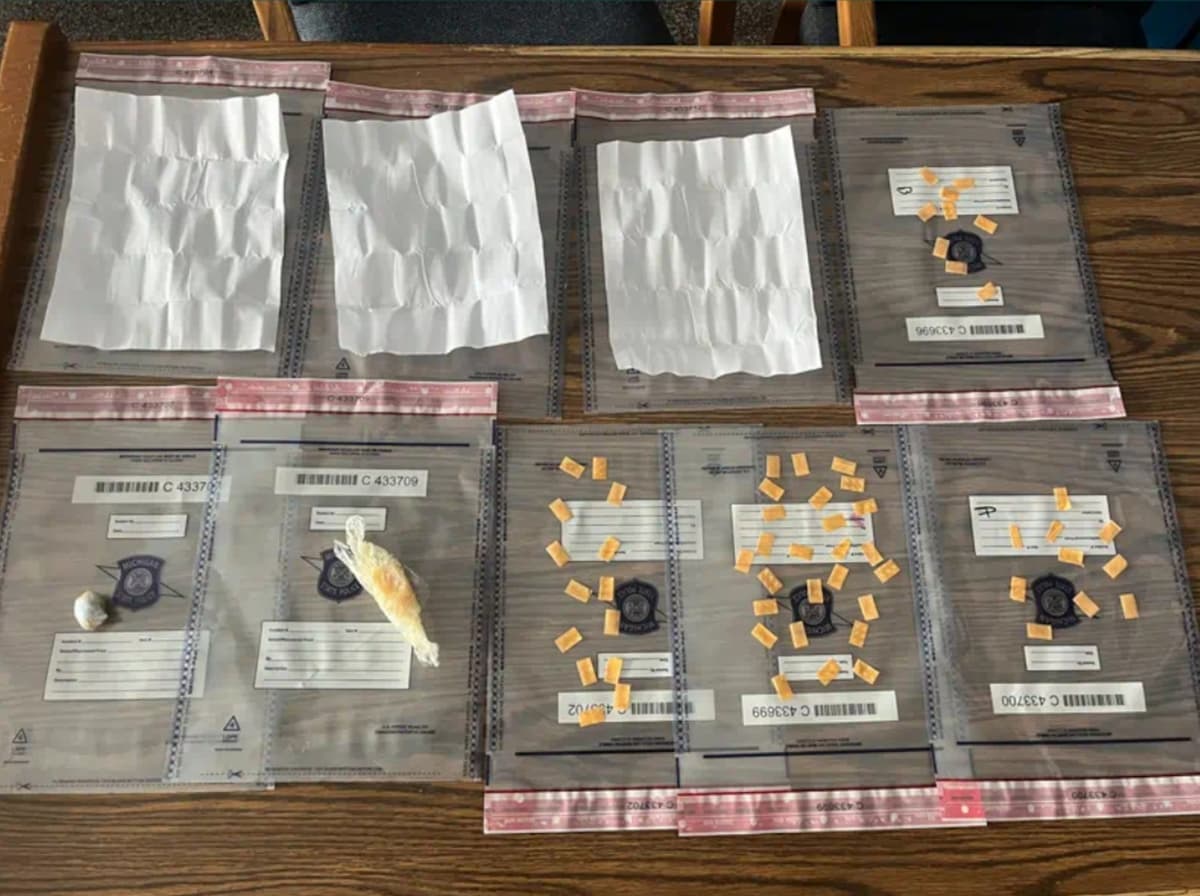
Overdoses in Michigan prisons have surged due to the smuggling of drug-soaked paper, leading to increased fatalities among inmates. This alarming trend has prompted officials to take urgent measures to address the growing crisis within the state's correctional facilities.
Drug Smuggling Concerns
Authorities have reported a significant rise in overdose incidents linked to paper infused with potent narcotics, which is being illicitly brought into prisons. The drugs are often absorbed into the paper, making it easier to transport and conceal. Once inside the facilities, inmates have been found to use the paper in various ways, leading to dangerous and sometimes fatal outcomes.
Prison officials are grappling with the challenge of containing this new method of drug smuggling. The situation has raised alarms about the safety of inmates and the overall security within the correctional system. Efforts to enhance screening processes and increase surveillance are underway, but the problem persists, highlighting the need for more robust measures to combat the influx of drugs.
Impact on Inmate Health and Safety
The surge in overdoses has not only affected the health of inmates but has also placed a strain on prison medical facilities. Emergency responses to overdose situations have become more frequent, overwhelming staff and resources. The situation has prompted calls for reform in how prisons handle drug-related issues, including better access to treatment and rehabilitation programs for inmates.
As officials continue to investigate the sources of the drug-soaked paper, the urgency to implement effective solutions remains high. The rise in overdoses reflects broader issues related to substance abuse and mental health within the prison population, necessitating a comprehensive approach to address these challenges effectively.