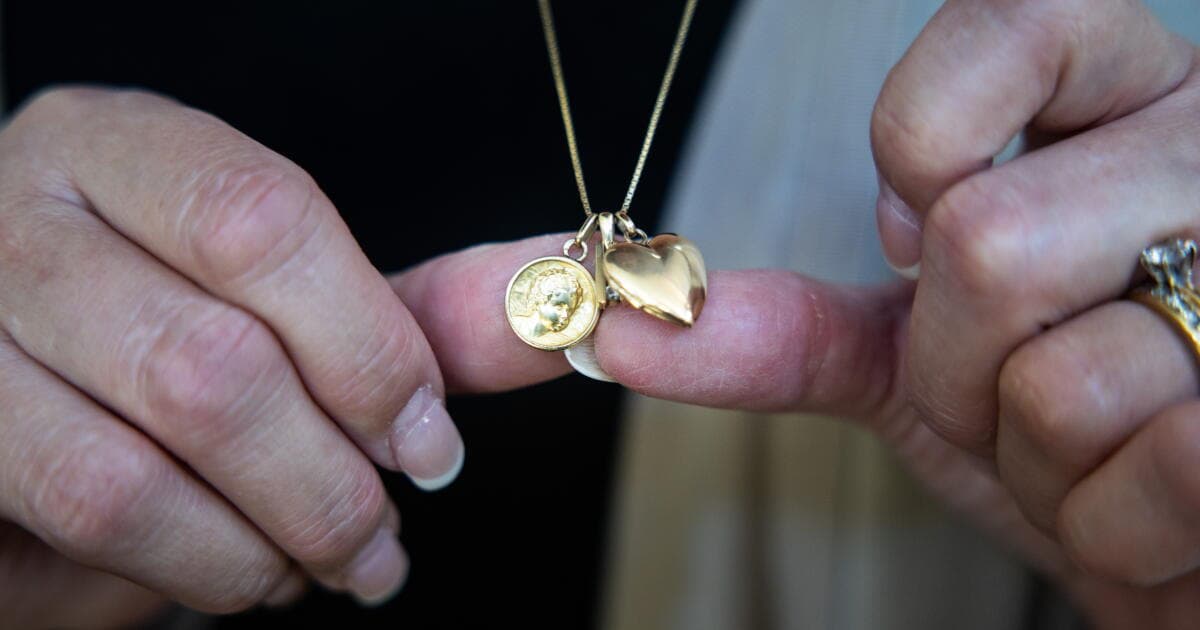
Parents in Ladera Ranch, California, are seeking answers as they confront a troubling pattern of cancer cases affecting children and young adults in their community. At least six cases of Ewing sarcoma, a rare and aggressive form of cancer, have been diagnosed among local youth between 2013 and 2024. This alarming trend has prompted families to come together in hopes of uncovering the underlying causes and ensuring the safety of their community.
Community Concerns Grow
The emergence of these cancer cases has raised significant concerns among residents, leading to discussions about potential environmental factors and health risks in the area. Parents are particularly worried about the implications for their children and are advocating for a thorough investigation into the potential causes of these diagnoses. Ewing sarcoma primarily affects bones or the soft tissue around bones, making its presence in a community of young individuals particularly alarming.
Local health officials have been alerted to the situation, and community meetings are being organized to address the concerns of parents and residents. Many families are calling for increased transparency from health authorities regarding any possible links between the environment and the rise in cancer cases. The community is also exploring the possibility of reaching out to medical experts for further insights and guidance on how to navigate this distressing situation.
Seeking Answers and Support
As families grapple with the emotional toll of these diagnoses, support networks are forming to provide assistance and information. Parents are sharing their experiences and coordinating efforts to advocate for research into the potential causes of Ewing sarcoma in their area. They are hopeful that by raising awareness, they can not only find answers but also prevent future cases from occurring.
In the face of uncertainty, the Ladera Ranch community is demonstrating resilience and unity. Parents are determined to unlock the mystery behind these cancer cases, driven by a shared commitment to safeguard their children's health and well-being. As they continue to seek answers, they are also fostering a sense of solidarity among families affected by this rare disease.