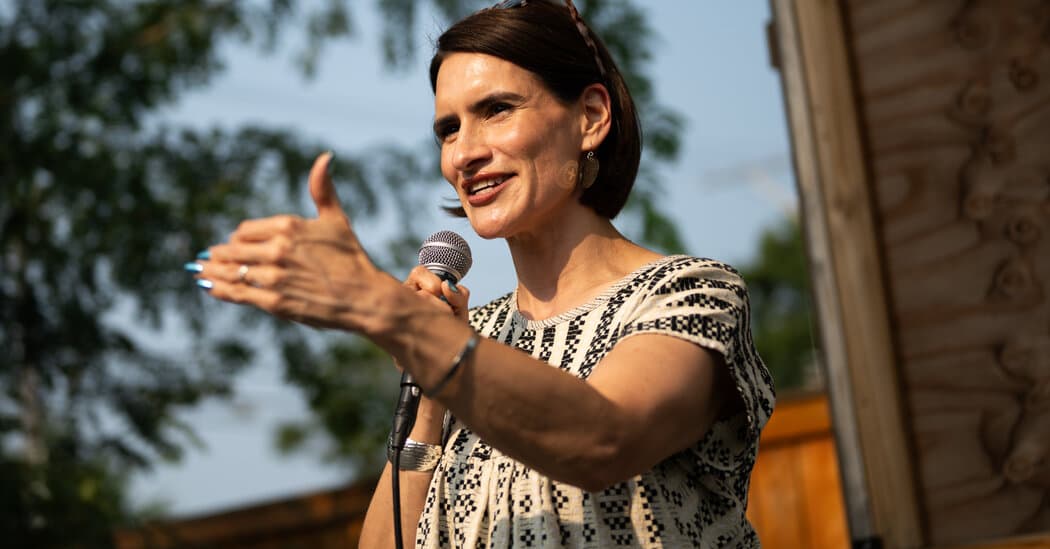
Peggy Flanagan, the current lieutenant governor of Minnesota, has emerged victorious in the Democratic Senate primary, marking a significant milestone for progressive politics in the Midwest. Flanagan's win positions her as a frontrunner to potentially become the first Native woman elected to the United States Senate.
A Groundbreaking Achievement
Flanagan's victory in the primary reflects a growing momentum for left-wing candidates within the Democratic Party, particularly in the Midwest. Her campaign has resonated with voters seeking progressive change, focusing on issues such as healthcare, climate action, and social justice. As a prominent advocate for marginalized communities, Flanagan's candidacy represents a shift towards more inclusive representation in government.
The implications of her potential election extend beyond just representation; they signal a broader acceptance of progressive values among the electorate. Flanagan's platform has garnered support from various grassroots organizations, further solidifying her position as a key figure in the push for progressive reforms.
Looking Ahead
As the general election approaches, Flanagan will face challenges in appealing to a diverse voter base while maintaining her progressive ideals. Her campaign will likely focus on mobilizing young voters and those disillusioned with traditional political establishments. The outcome of this race could not only reshape Minnesota's political landscape but also influence the national dialogue around progressive policies.
With her historic candidacy, Peggy Flanagan stands at the forefront of a movement that seeks to redefine representation in American politics. Her success in the primary is a testament to the changing dynamics within the Democratic Party and the increasing demand for leaders who reflect the diverse fabric of the nation.