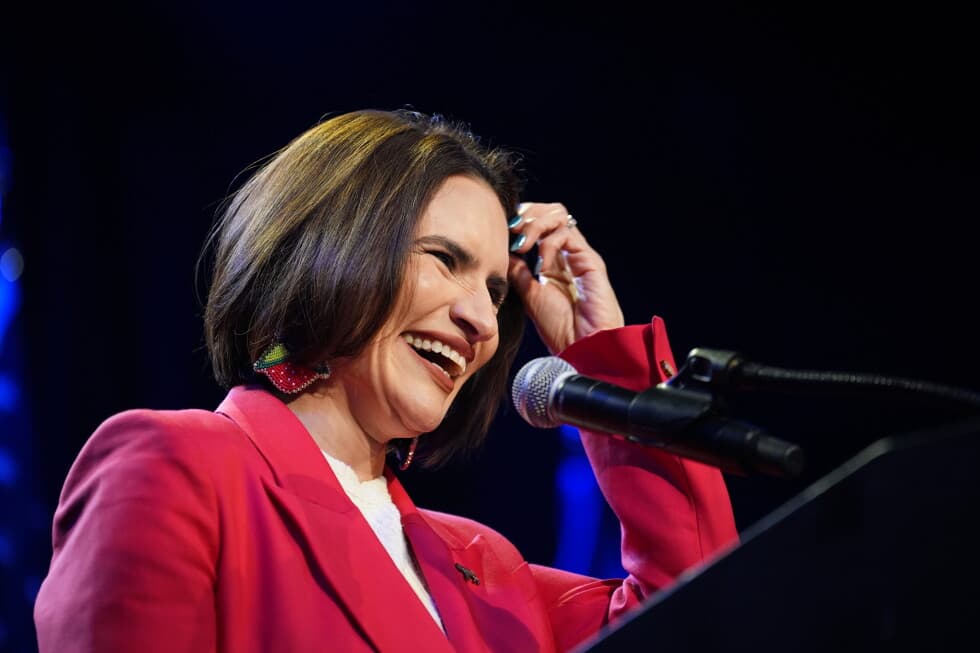
Peggy Flanagan, the Lieutenant Governor of Minnesota, has emerged victorious in the Democratic primary for the U.S. Senate, marking a significant win for progressive candidates within the party. Flanagan's victory reflects a growing trend among voters seeking change and a departure from traditional party establishment figures.
Progressive Momentum
This primary win showcases the increasing influence of progressive policies and candidates in Minnesota's political landscape. Flanagan's campaign focused on issues such as healthcare, education, and social justice, resonating with a diverse electorate eager for reform. Her success is seen as a pivotal moment for the Minnesota Democratic Party, which has been grappling with internal divisions between progressive and moderate factions.
Flanagan's candidacy was bolstered by grassroots support and a strong network of activists who rallied behind her vision for a more equitable society. As she moves forward to the general election, her campaign is expected to continue emphasizing the need for systemic changes that address the concerns of everyday Minnesotans.
Looking Ahead
With her primary win, Flanagan will now set her sights on the general election, where she will compete against the Republican nominee. Her campaign is likely to leverage the enthusiasm generated during the primary to mobilize voters and secure a broader base of support. The outcome of this election could have significant implications not just for Minnesota, but for the Democratic Party as a whole as it navigates its future direction.
As Flanagan prepares for the upcoming challenges, her victory in the primary serves as a testament to the shifting dynamics within the party and the electorate's desire for progressive leadership.