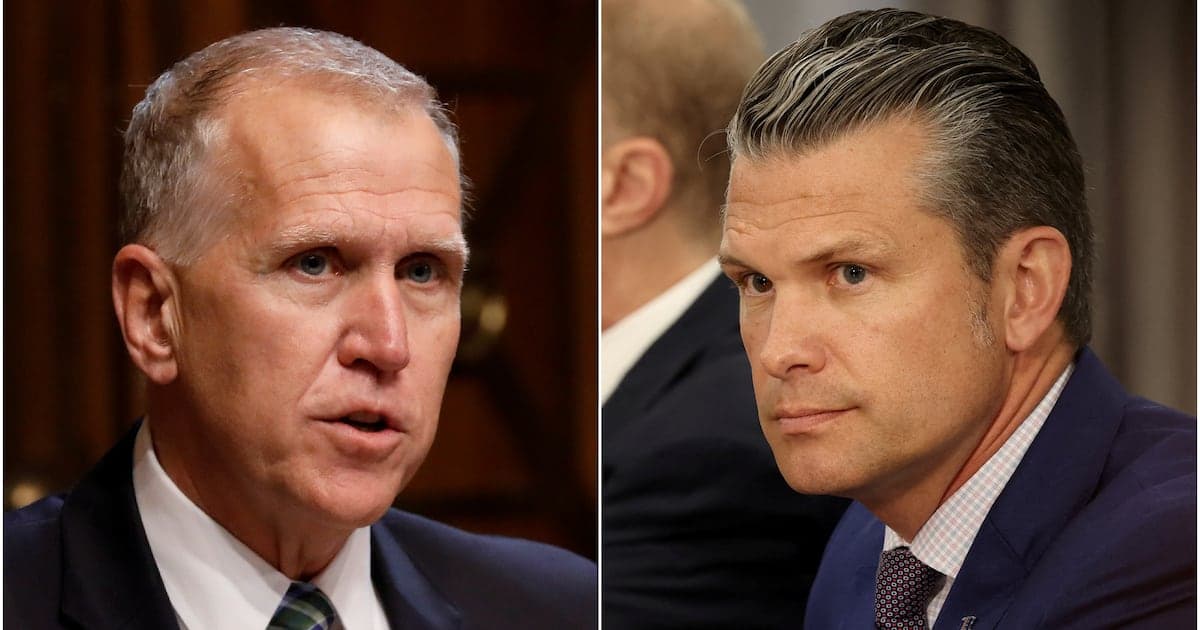
The recent actions of Defense Secretary Pete have come under fire from Senate Republicans, who are expressing concerns about partisan tactics that may alienate key members of Congress. The criticism centers around the exclusion of Democratic lawmakers from important briefings, a move that some Republicans believe could have negative implications for bipartisan cooperation in defense matters.
Concerns Over Partisan Strategy
Senate Republicans are voicing their apprehensions that the Defense Secretary's approach may not only hinder collaboration but also jeopardize the effectiveness of defense policy discussions. By sidelining Democrats from critical briefings, there is a growing fear that this could lead to a breakdown in communication and trust, which are essential for addressing national security issues.
Some Republican senators have pointed out that a united front is necessary when it comes to defense strategies and funding. They argue that excluding any party from these discussions could lead to increased division and hinder the ability to achieve consensus on vital issues that affect the military and national security.
Potential Backlash
As the situation unfolds, it remains to be seen how these partisan antics will impact the relationship between the Defense Department and Congress. Analysts suggest that if the current trend continues, it could provoke a backlash not only from Democrats but also from moderate Republicans who value bipartisan cooperation.
Ultimately, the effectiveness of defense policies may depend on the ability of lawmakers to work together across party lines. The ongoing criticism of Secretary Pete's approach highlights the delicate balance that must be maintained in order to ensure that national security remains a priority above partisan interests.