Private Health Insurers Reduce Coverage for Obesity Treatments in Massachusetts
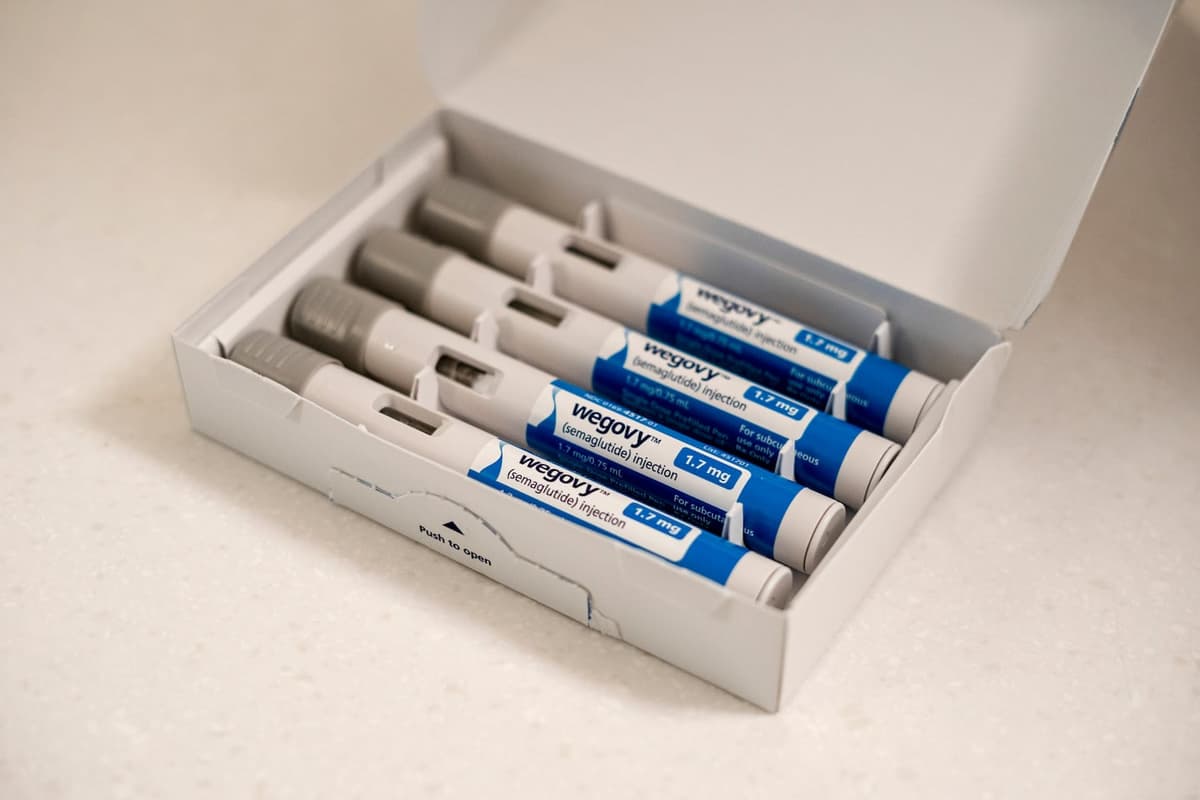
In a significant shift, private health insurers in Massachusetts have announced a reduction in coverage for obesity treatments, impacting approximately 112,000 residents who previously relied on these services. This decision comes after insurers faced years of financial losses associated with covering GLP (glucagon-like peptide) medications and other obesity-related treatments.
The move to restrict coverage has raised concerns among healthcare professionals and advocates who argue that access to effective obesity treatments is crucial for public health. Obesity has been linked to a range of serious health conditions, including diabetes, heart disease, and certain cancers. Experts warn that limiting access to these treatments could exacerbate health disparities and lead to increased long-term healthcare costs.
Impact on Residents and Healthcare Providers
Many residents who benefited from GLP medications for weight management now face uncertainty regarding their treatment options. Healthcare providers are also grappling with how to best support their patients in light of the coverage changes. The restrictions may force some patients to seek alternative, potentially less effective treatments or to forego treatment altogether, which could have detrimental effects on their health.
Insurers have cited the financial burden of covering obesity treatments as a primary reason for the change. As the healthcare landscape continues to evolve, the implications of these coverage restrictions will likely be felt across the state, prompting discussions about the balance between cost management and patient care in the realm of obesity treatment.