Venezuelans React to U.S. Control of Oil Reserves
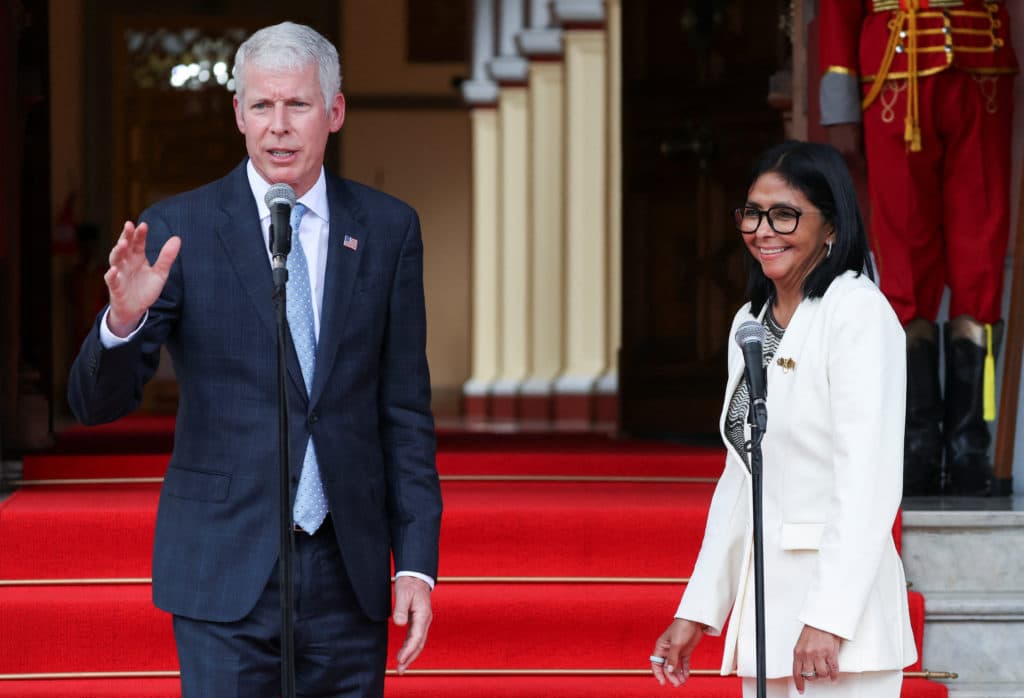
In a significant turn of events, the acting President of Venezuela, Delcy Rodríguez, recently agreed to grant the United States control over approximately one-fifth of the nation’s vast oil reserves. This decision has sparked a wave of pride and concern among Venezuelans, as the country is known for possessing the largest oil reserves in the world. The agreement has been interpreted by many as a surrender of national resources to foreign powers, prompting a deep sense of unease among citizens.
Venezuela's oil reserves have long been a source of national pride, symbolizing the country’s wealth and potential. However, years of political and economic turmoil have severely impacted the oil industry, leading to a decline in production and revenue. The recent agreement with the U.S. has raised questions about the future of Venezuela’s resources and the implications for its sovereignty. Many Venezuelans feel that allowing foreign control over their oil is a betrayal of national interests and an indication of the government's inability to manage the country's resources effectively.
Public Sentiment and National Identity
The reaction among the Venezuelan populace has been mixed, with some expressing anger and disappointment over the decision. Critics argue that this move undermines Venezuela’s autonomy and further entrenches foreign influence in the country’s affairs. Others view it as a necessary compromise to stabilize the economy and attract investment in an industry that has been struggling for years. The emotional weight of the decision is palpable, as oil has historically been intertwined with Venezuela’s national identity and economic prosperity.
As the news spreads, discussions about the implications of this agreement continue to unfold. Many are calling for a reassessment of the country’s energy policies and a renewed focus on reclaiming control over its natural resources. The sentiment among Venezuelans reflects a broader concern about national pride and the future of their economy in an increasingly globalized world. As the situation develops, it remains to be seen how this agreement will impact Venezuela's political landscape and the lives of its citizens.