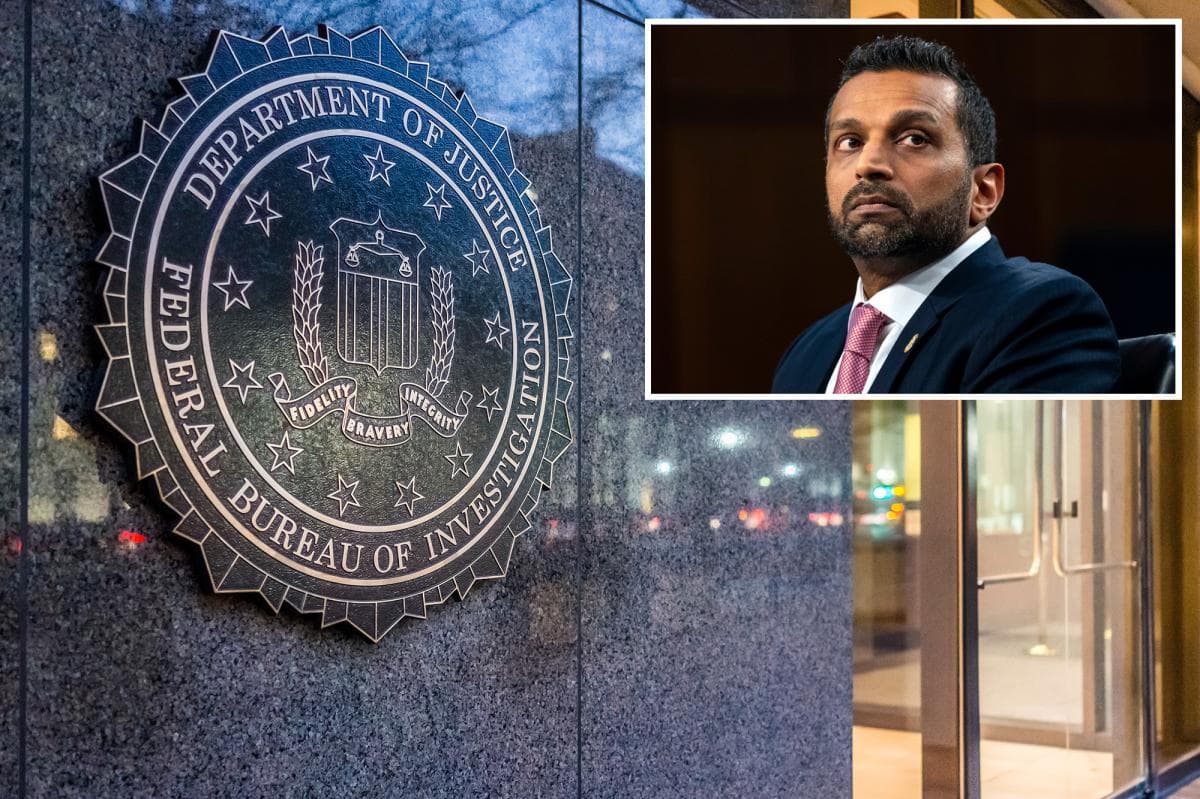
Edward Dubrovsky, a 54-year-old Canadian cybersecurity executive, was arrested in Pennsylvania on federal charges related to his involvement in ransomware negotiations. The arrest comes amid an ongoing investigation by the FBI into a hacking group known as ShinyHunters, which has been linked to the theft of sensitive personnel files from various organizations.
Details of the Arrest
Dubrovsky's arrest was confirmed through court documents that outline the charges against him. While specific details regarding the nature of the charges have not been fully disclosed, the timing of his arrest coincides with heightened scrutiny of hacking activities and the growing concerns surrounding cybersecurity in both public and private sectors.
The FBI's investigation into ShinyHunters has revealed that the group has claimed responsibility for several high-profile data breaches, leading to significant concerns about the security of personal information. As the investigation unfolds, authorities are looking into how these breaches occurred and the role that negotiators like Dubrovsky may have played in facilitating communications between hacking groups and affected organizations.
Impact on Cybersecurity
This arrest highlights the increasing challenges faced by businesses and government entities in protecting sensitive data from cyber threats. As ransomware attacks become more sophisticated, the need for effective negotiation strategies and cybersecurity measures has never been more critical. The implications of this case may extend beyond Dubrovsky, as it raises questions about the practices employed by cybersecurity professionals and the ethical considerations involved in negotiating with hackers.
As the investigation continues, the FBI is expected to release more information regarding the extent of the hacking activities attributed to ShinyHunters and any potential connections to other cybersecurity incidents. The outcome of this case could have significant ramifications for the field of cybersecurity and the ongoing battle against cybercrime.