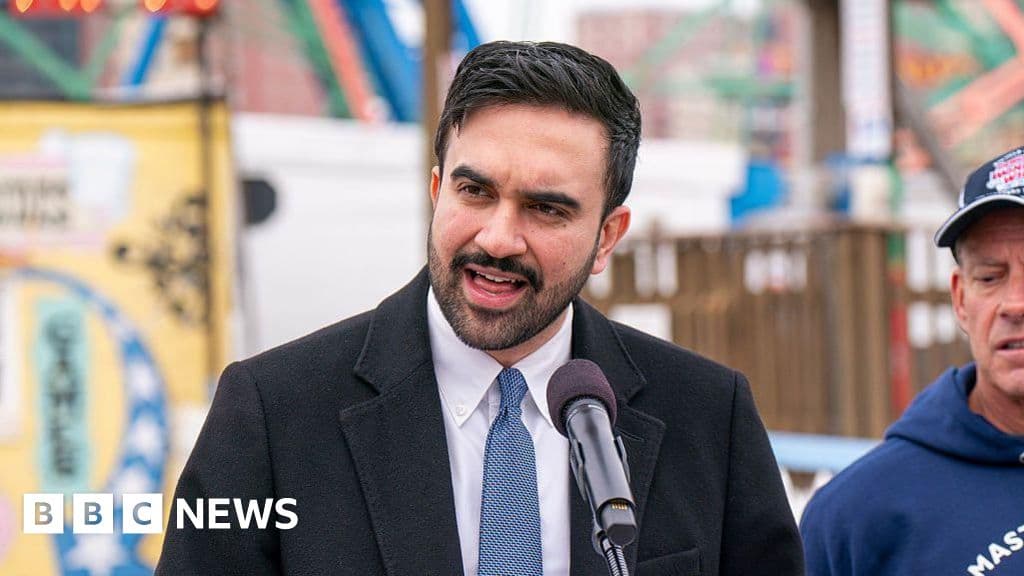
A recent list of high-value residential properties in New York has ignited a heated debate as Mamdani moves forward with the implementation of a new tax on second homes. The tax, aimed at addressing housing affordability and generating additional revenue, has drawn both support and criticism from various sectors of the community.
Community Reactions
Supporters of the tax argue that it is a necessary step to ensure that housing remains accessible for all residents, particularly in a market where prices have soared. They contend that taxing second homes will help to alleviate some of the pressures on the housing market, making it easier for first-time buyers and lower-income families to secure affordable housing.
Conversely, critics of the tax describe the list of expensive homes as a "hit list," suggesting that it unfairly targets individuals who have invested in properties as a means of wealth preservation. Many homeowners and real estate investors express concerns that the tax could deter investment in the housing market, leading to potential declines in property values and a slowdown in economic activity.
Implications for the Real Estate Market
The controversy surrounding the second home tax has raised questions about its potential impact on the real estate market. Experts warn that if the tax leads to a significant decrease in demand for luxury properties, it could create a ripple effect throughout the housing sector, affecting not just high-end homes but also the broader market.
As discussions continue, community members are keenly watching how the implementation of this tax will unfold and what it might mean for the future of housing in New York. The debate highlights the ongoing challenges of balancing economic growth with the need for affordable housing solutions in an increasingly competitive market.