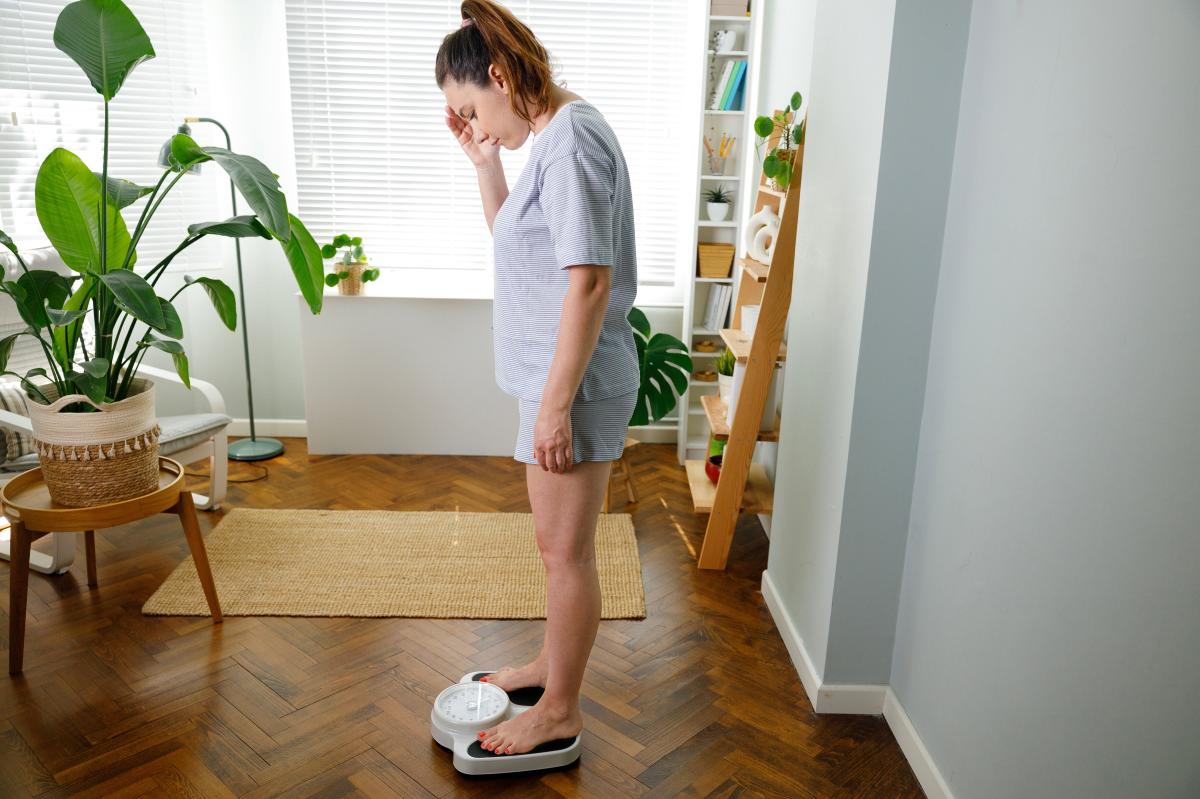
A recent study conducted in South Korea has revealed that a specific health measurement may be more closely linked to the risk of death than the commonly used Body Mass Index (BMI). This research highlights the importance of reevaluating traditional health metrics and considering alternative measurements that could provide a more accurate assessment of health risks.
New Insights into Health Metrics
The study examined various health indicators to determine their relationship with all-cause mortality. Researchers aimed to identify any underrated metrics that could serve as better predictors of health outcomes than BMI, which has long been the standard for assessing body weight in relation to height.
Findings from the study suggest that this alternative health measurement could provide a clearer picture of an individual's overall health and longevity. The implications of this research could prompt healthcare professionals to rethink how they evaluate patients' health, potentially leading to more personalized and effective health strategies.
Implications for Health Assessments
This evolving perspective on health measurements may ultimately lead to improved health outcomes and a reduction in mortality rates, as more accurate assessments allow for timely interventions and lifestyle changes. As the conversation around health metrics continues, it remains crucial for individuals to stay informed about the factors that contribute to their overall well-being.