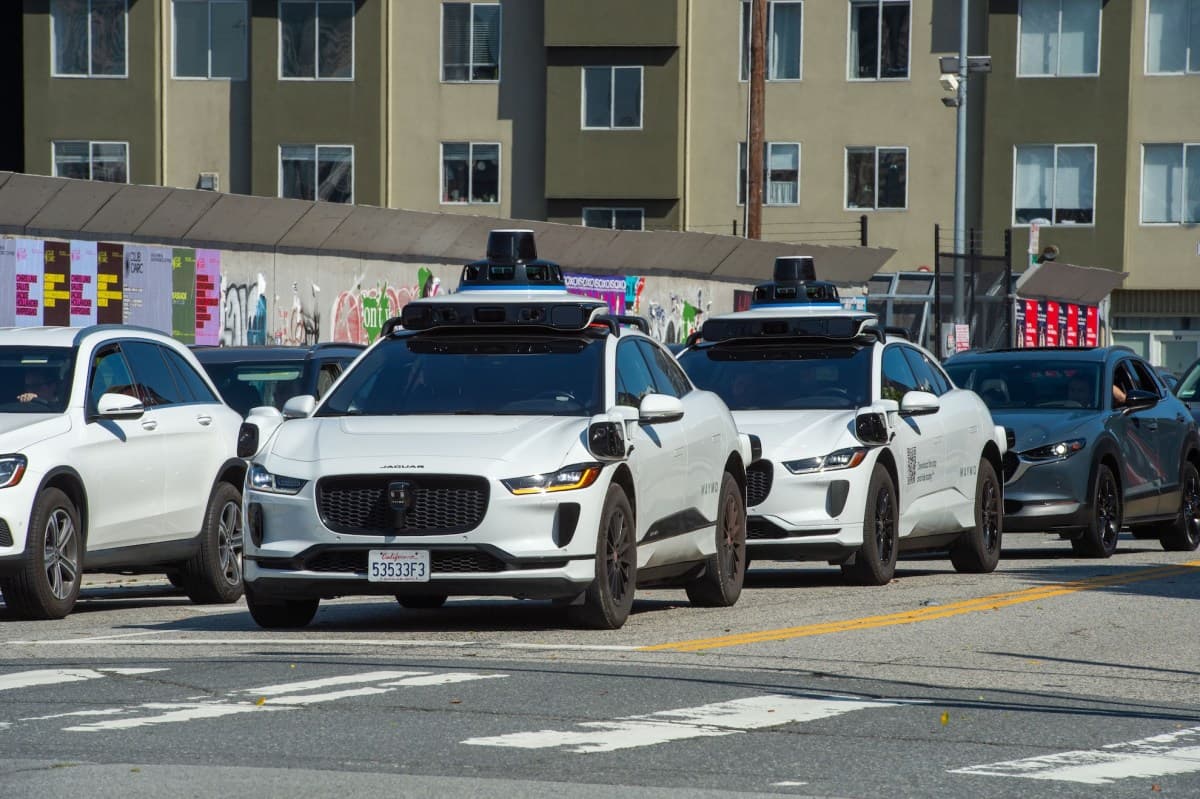
San Francisco Mayor Daniel Lurie is advocating for stricter regulations on robotaxi operators following a significant traffic disruption caused by Waymo vehicles. The incident, which led to hours of gridlock, has prompted city officials to reassess the current framework governing autonomous ride-hailing services.
Calls for Enhanced Regulations
In light of the recent traffic fiasco, Mayor Lurie has communicated with state regulators, emphasizing the need for enhanced requirements for companies like Waymo. The mayor's concerns center around the operational protocols of autonomous vehicles and their impact on urban mobility. Lurie has expressed that the city must ensure that such technologies do not compromise public safety or contribute to congestion on the streets.
The mayor's push for tougher rules comes as San Francisco continues to be a testing ground for autonomous vehicle technology. While proponents argue that robotaxis can alleviate traffic and reduce emissions, incidents like the recent gridlock raise questions about their reliability and the ability of existing regulations to manage their integration into the city's transportation ecosystem.
Impact on Future Operations
The hours-long traffic jam caused by Waymo vehicles has sparked discussions among city officials and residents alike about the future of autonomous transportation in San Francisco. Stakeholders are now evaluating whether the current regulatory framework is sufficient or if more stringent measures are necessary to prevent similar incidents in the future.
As the city navigates the complexities of emerging technologies, Mayor Lurie's call for action reflects a growing concern about balancing innovation with the practical needs of urban infrastructure. The outcome of these discussions may shape the future landscape of transportation in San Francisco and influence how robotaxi services operate across other urban areas.