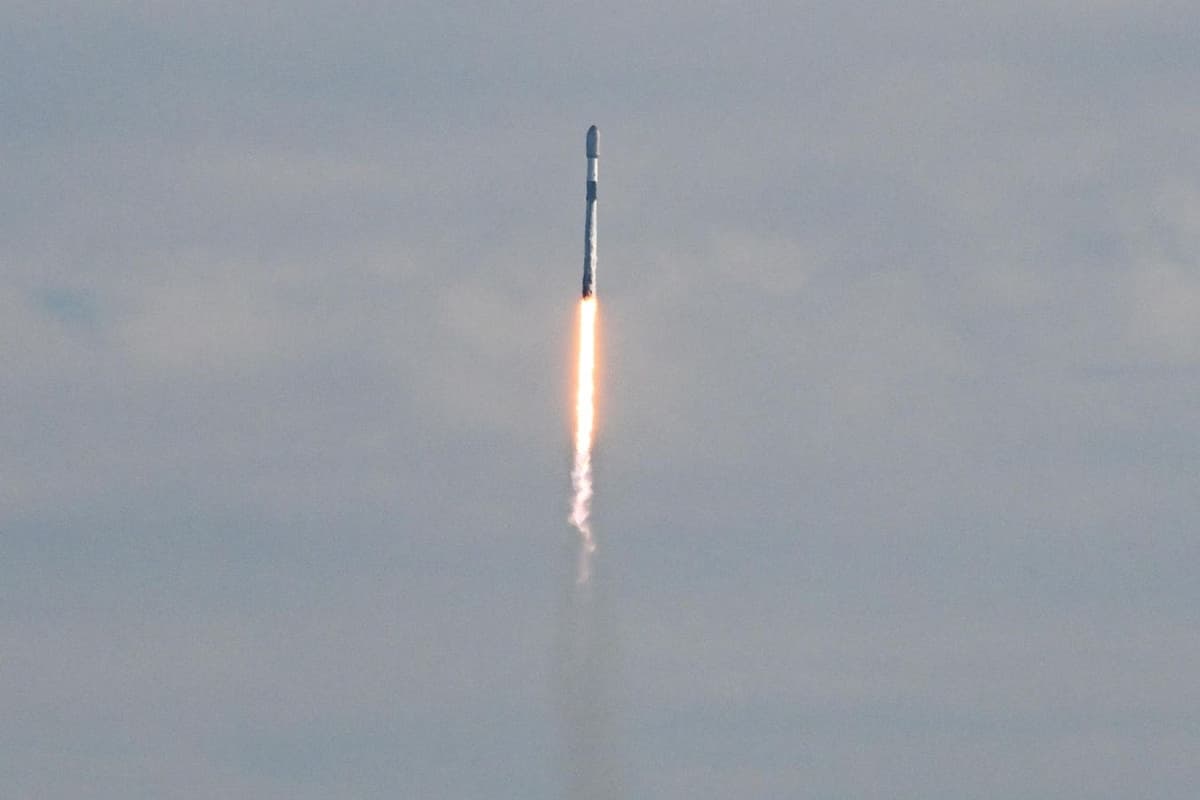
Investing in an initial public offering (IPO) can be a risky venture, particularly for those who do not have insider access to the company prior to its public debut. This sentiment has been echoed in discussions surrounding recent IPOs, with many investors reflecting on the lessons learned from high-profile cases like SpaceX.
Understanding IPO Risks
The excitement surrounding an IPO often leads to a surge in demand, resulting in inflated stock prices that may not accurately reflect the company's long-term value. For average investors, the opportunity to buy shares at the initial offering price is typically limited to those with connections, such as friends and family of company insiders. Without this advantage, many investors find themselves purchasing shares at a premium, only to watch their value fluctuate dramatically in the months following the IPO.
Experts suggest that potential investors should approach IPOs with caution, particularly if they lack a deep understanding of the company’s fundamentals and market position. The hype surrounding an IPO can create a bandwagon effect, where individuals rush to invest based on buzz rather than solid financial analysis. This often leads to disappointment when the stock does not perform as expected.
Lessons from SpaceX
SpaceX, while a notable success story in the aerospace industry, serves as a cautionary tale for those considering IPO investments. The company's journey has highlighted the importance of assessing a company's viability and market potential before making investment decisions. Investors are encouraged to look beyond the initial excitement and consider the long-term prospects of the company in question.
In conclusion, while there can be opportunities for profit in IPOs, the risks associated with investing in them are significant. For those without insider access, it may be advisable to proceed with caution and consider alternative investment strategies that do not rely on the unpredictable nature of newly public companies.