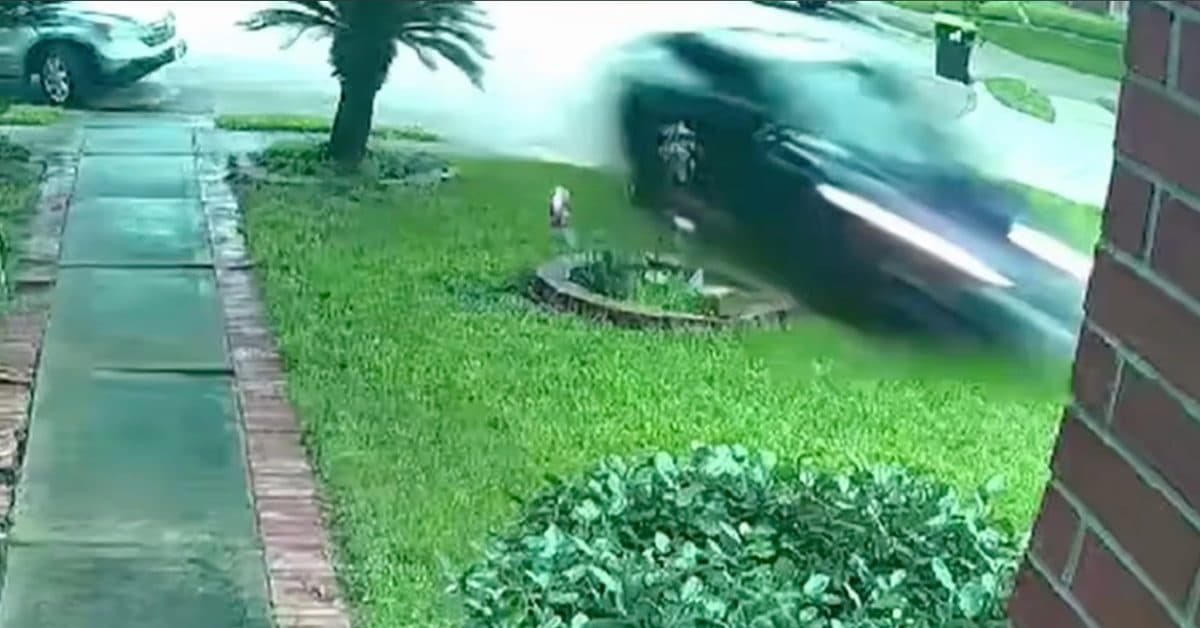
A Tesla driver involved in a fatal crash in Katy, Texas, has been charged with manslaughter by Harris County authorities. The incident, which raised significant concerns regarding the vehicle's Full Self-Driving (FSD) capabilities, resulted in the death of one individual., the driver was reportedly searching for terms such as "FSD too timid" just prior to the collision.
Details of the Incident
The crash occurred when the Tesla, operating under its FSD mode, accelerated to 73 miles per hour. Authorities stated that this speed was achieved through an override of the accelerator, which contributed to the severity of the incident. The investigation revealed that the driver had been actively looking for information that suggested the FSD system was overly cautious, potentially indicating a desire to push the limits of the vehicle's autonomous capabilities.
In light of these findings, prosecutors have moved forward with manslaughter charges, emphasizing the driver's responsibility in the situation. The legal implications of this case may have broader ramifications for the ongoing discussions surrounding autonomous vehicle safety and driver accountability.
Implications for Autonomous Vehicle Safety
This case highlights the challenges and risks associated with the deployment of self-driving technology. As more drivers experiment with advanced features like Tesla's FSD, the potential for misuse or misunderstanding of the technology becomes a significant concern for both regulators and the public. The outcome of this case could influence future regulations and the development of safety standards for autonomous vehicles.
As investigations continue, the focus remains on ensuring that such tragic incidents do not occur in the future, prompting a reevaluation of both driver education and the capabilities of self-driving technology.