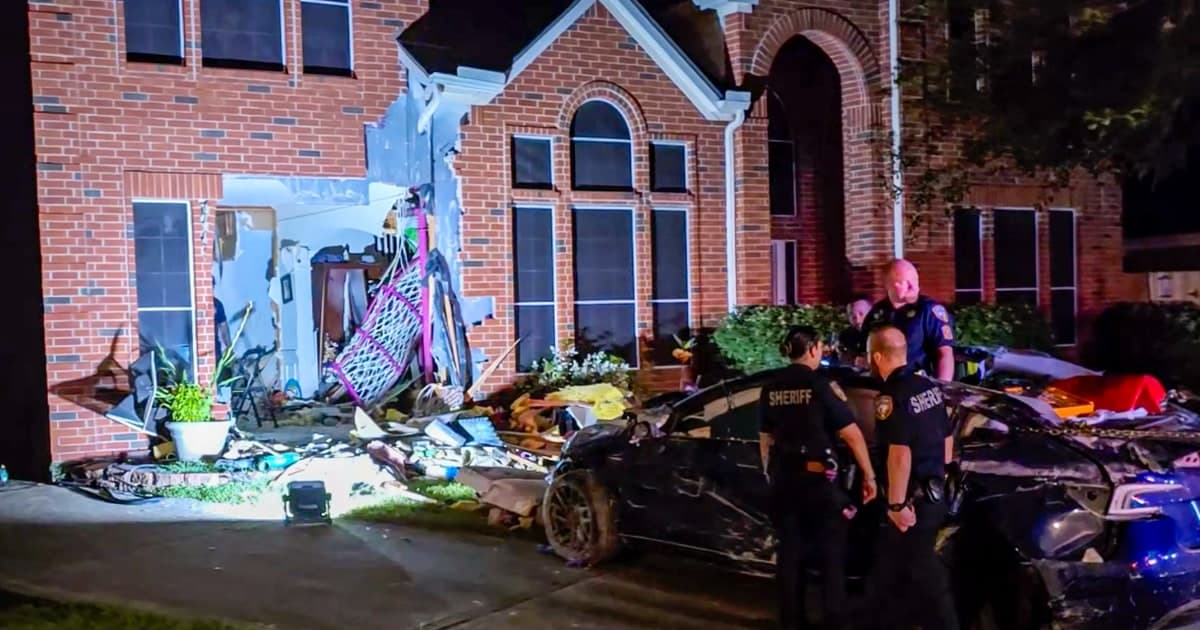
A recent investigation by the National Transportation Safety Board (NTSB) revealed that a Tesla driver overrode the vehicle's driver assistance mode prior to a fatal crash in Texas. The incident, which occurred several weeks ago, resulted in the tragic death of a 76-year-old woman whose home was struck by the vehicle while it was operating under the Full Self-Driving (FSD) feature.
Details of the Incident
The NTSB's findings indicate that the driver took manual control of the Tesla shortly before the crash, raising concerns about the safety and reliability of the Full Self-Driving technology. The investigation focused on the circumstances surrounding the collision, which has prompted discussions about the responsibilities of drivers when using advanced driver-assistance systems.
As authorities continue to examine the events leading up to the crash, there are calls for stricter regulations regarding the use of autonomous vehicle technologies. The incident highlights the potential risks associated with relying on automated driving systems, particularly when drivers may not fully understand their limitations.
Ongoing Implications
This tragic event has reignited debates about the safety of self-driving cars and the need for comprehensive guidelines to ensure the protection of both drivers and pedestrians. The NTSB's conclusions may lead to further scrutiny of Tesla's FSD capabilities and could influence future regulatory measures in the automotive industry.
As investigations proceed, the community mourns the loss of the victim and reflects on the implications of technological advancements in transportation. The case serves as a reminder of the importance of responsible driving practices, especially when engaging with automated vehicle features.