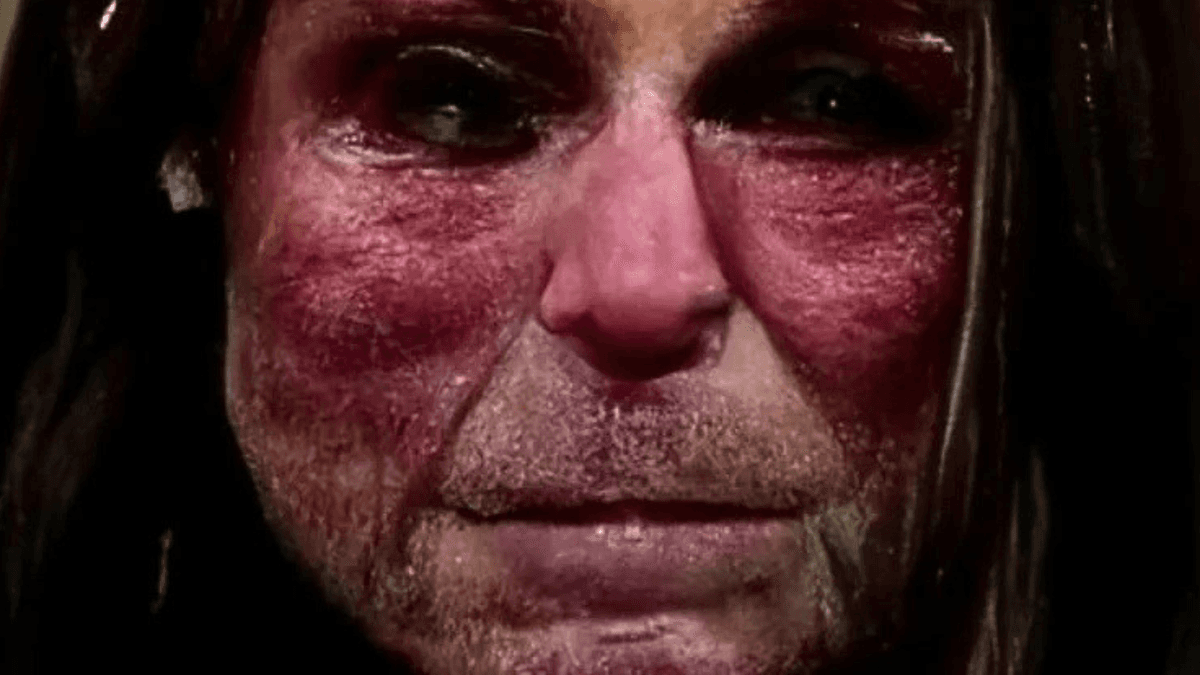
As generative AI technology rapidly advanced in 2022, a chilling phenomenon began to capture the attention of internet users worldwide. Dubbed "The Nightmare Face," this unsettling image emerged as a representation of the eerie capabilities of artificial intelligence in creating unsettling and bizarre visual content. The image quickly gained traction across various social media platforms, sparking discussions about the implications of AI-generated art and the psychological effects it has on viewers.
The Emergence of The Nightmare Face
The Nightmare Face first surfaced in online forums and social media channels, where users began sharing their experiences and reactions to the image. Characterized by its distorted features and haunting expression, the face became a symbol of the uncanny valley effect often associated with AI-generated visuals. As more people encountered the image, its popularity grew, leading to a wave of memes, parodies, and artistic interpretations that further fueled its presence on the internet.
Experts in psychology and digital culture have weighed in on the phenomenon, noting that the unsettling nature of The Nightmare Face taps into deep-seated fears and anxieties about technology. As AI continues to evolve, the boundary between reality and artificiality becomes increasingly blurred, prompting discussions about the ethical implications of AI in creative fields. The image serves as a reminder of the potential for AI to both inspire and disturb, raising questions about the future of art and human expression in a digital age.
Impact on Online Communities
The response to The Nightmare Face has not only been one of fear but also fascination. Online communities have rallied around the image, creating a sense of shared experience among those who have encountered it. Some users report feeling compelled to confront their fears through engagement with the image, while others find solace in the humor that has emerged from the phenomenon. This duality reflects a broader trend in how people interact with unsettling content in the digital realm.
As discussions about The Nightmare Face continue to evolve, it remains a powerful example of the intersection between technology, art, and human emotion. The phenomenon highlights the need for ongoing dialogue about the role of AI in our lives and the potential consequences of its integration into creative processes. As generative AI continues to develop, the haunting presence of The Nightmare Face serves as a cautionary tale, reminding us to remain aware of the impact that technology can have on our perceptions and experiences.