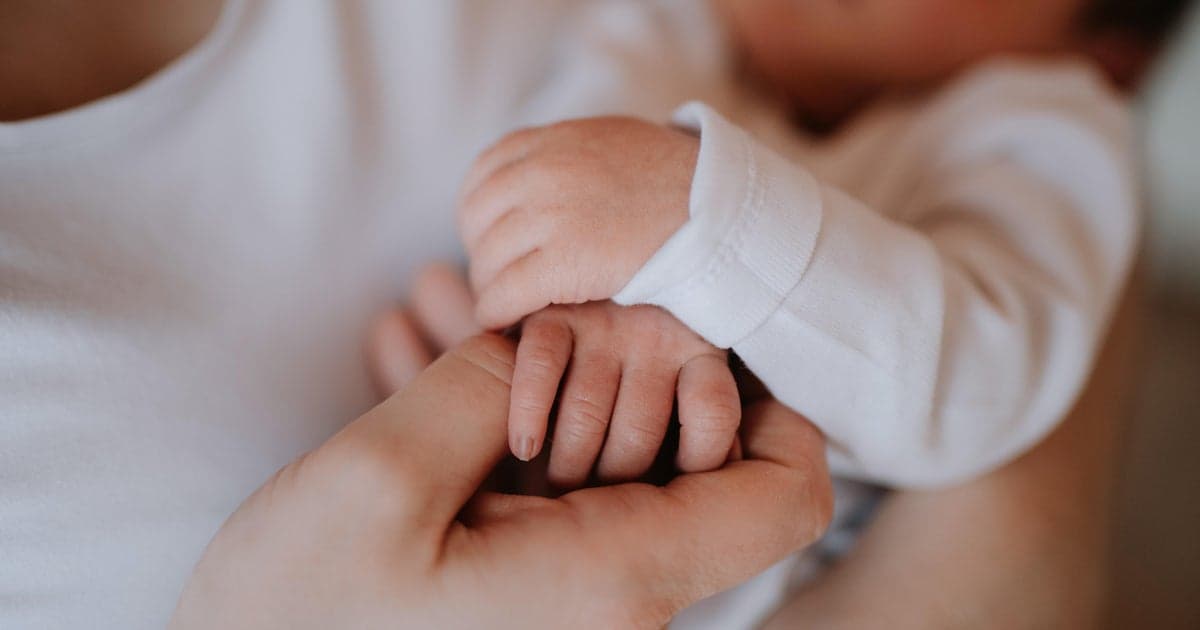
A recent report indicates that the measles outbreak in Utah is beginning to slow, with a notable decrease in weekly case counts. However, the situation remains serious on a national level, as the overall tally of measles cases continues to rise across the United States. This ongoing public health challenge has had a profound impact on families, particularly one in Utah that is unable to meet their newborn due to the risk of exposure.
Impact on Families
The family of the newborn, who is too young to receive the measles vaccination, is facing a heartbreaking situation. As the community grapples with the implications of the outbreak, the parents are left with no choice but to limit contact with others to protect their child from potential exposure to the virus. This has created a significant emotional strain, as they are unable to introduce their baby to family members and friends, who are eager to meet the newest addition.
While health officials are encouraged by the decline in cases within Utah, they are urging caution. The national rise in measles cases highlights the ongoing risks associated with the disease, particularly for vulnerable populations such as infants. Vaccination campaigns and public health initiatives are being reinforced to help contain the spread and protect those who cannot be vaccinated due to age or health conditions.
Public Health Response
Health authorities are closely monitoring the situation and are implementing strategies to educate the public about the importance of vaccinations. The rise in measles cases has been attributed to various factors, including misinformation about vaccines and a decline in vaccination rates in some communities. Public health officials emphasize that widespread vaccination is crucial to achieving herd immunity and preventing outbreaks.
As the family of the newborn navigates this challenging time, they join many others in the community who are impacted by the outbreak. The situation serves as a reminder of the importance of vaccination and the collective responsibility to protect the health of all community members, especially the most vulnerable.