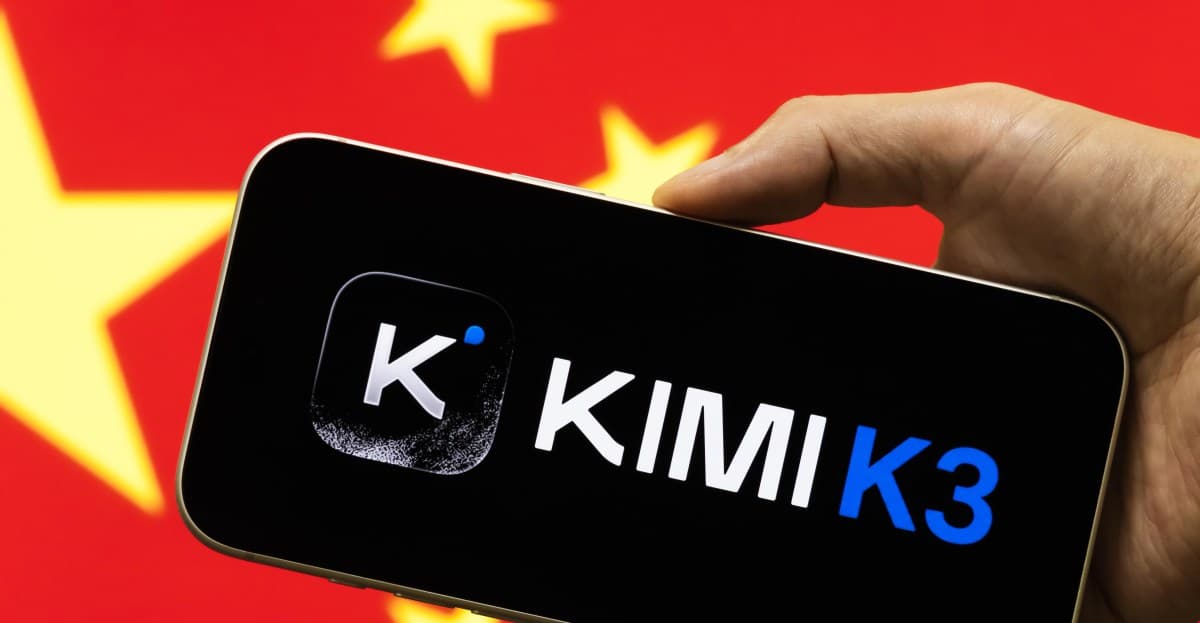
The Growing Concern Over AI Competition
As the race for artificial intelligence (AI) supremacy heats up, concerns are mounting in the United States about the potential for China to outpace American advancements in this critical field. Industry leaders and policymakers in Silicon Valley and Washington, D.C., are expressing alarm over the rapid progress made by Chinese companies and researchers in AI technologies. This situation has sparked a national conversation about the implications of losing the AI race and what actions, if any, should be taken to address this challenge.
Debate on Response Strategies
The response to the perceived threat from Chinese AI capabilities is varied, with no clear consensus on the best course of action. Some experts advocate for increased investment in research and development within the U.S. to bolster domestic AI innovation. Others suggest that collaboration with international allies could be key to maintaining a competitive edge. Meanwhile, there are voices calling for regulatory measures to ensure ethical standards in AI development, which could help mitigate risks associated with rapid technological advancements.
As discussions unfold, the question remains: should Americans be concerned about the implications of a potential AI gap? Many believe that the outcomes of this technological rivalry could affect not only economic power but also national security and global influence. The urgency of the situation has prompted debates about the role of government in fostering innovation while also safeguarding against potential threats posed by foreign advancements in AI.
In the coming months, it will be crucial for stakeholders across various sectors to engage in dialogue and develop strategies that address the complexities of the evolving AI landscape. The decisions made now could shape the future of technology and its impact on society for generations to come.