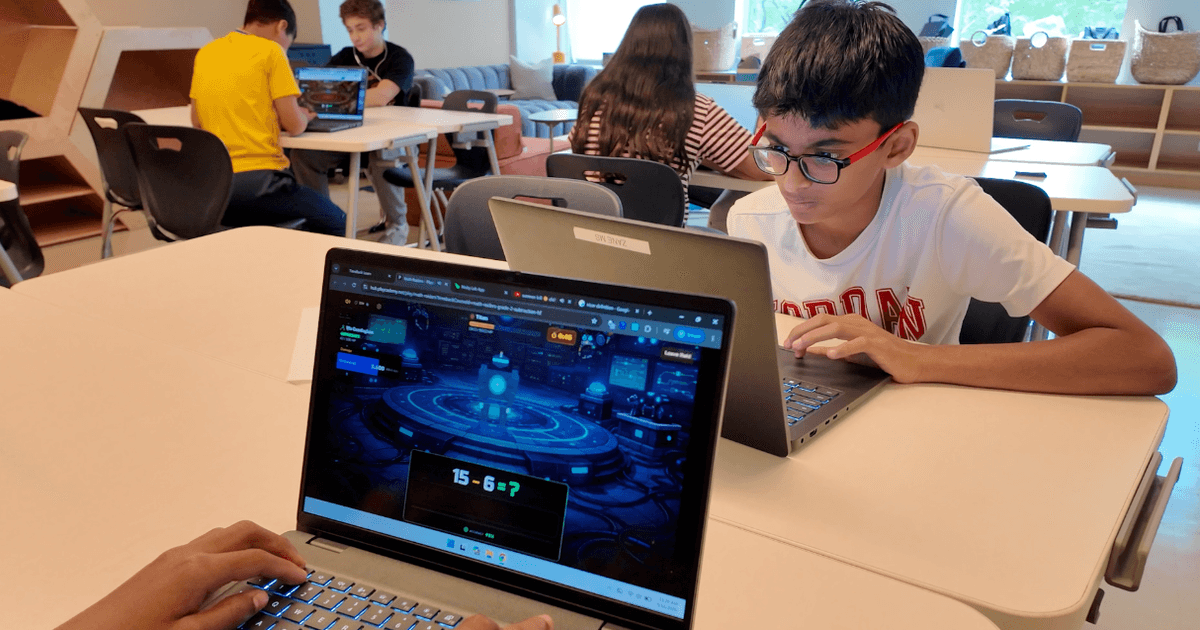
Alpha Schools has introduced a revolutionary approach to education, claiming that its AI-based instruction can teach students effectively in just two hours a day. The innovative model focuses not only on academic learning but also on the development of essential life skills, aiming to prepare students for success in a rapidly changing world.
According to Alpha Schools, the integration of artificial intelligence into the curriculum allows for personalized learning experiences tailored to each student's needs. This method is designed to maximize engagement and retention, enabling students to grasp complex concepts more efficiently than traditional classroom settings. The school emphasizes that its approach is not merely about reducing class time but enhancing the quality of education provided.
Experts Weigh In
While Alpha Schools promotes its model as a groundbreaking solution to modern educational challenges, some experts are skeptical. Critics argue that the concept of a teacherless school raises concerns about the lack of human interaction, which is vital for social development and emotional intelligence. They caution that relying heavily on AI could overlook the nuanced needs of students that only experienced educators can address.
Furthermore, the effectiveness of such a condensed learning schedule remains a topic of debate. While some students may thrive in this environment, others might struggle without the traditional support systems found in conventional schools. As education continues to evolve with technology, the long-term impacts of AI-driven instruction on student outcomes are yet to be fully understood.
The Future of Education
As Alpha Schools continues to implement its AI-centric model, educators and parents alike are watching closely. The success of this innovative approach could pave the way for future educational reforms, potentially reshaping how students learn and interact in academic settings. However, the conversation about the role of teachers and the importance of human connection in education is likely to remain at the forefront as this new model develops.