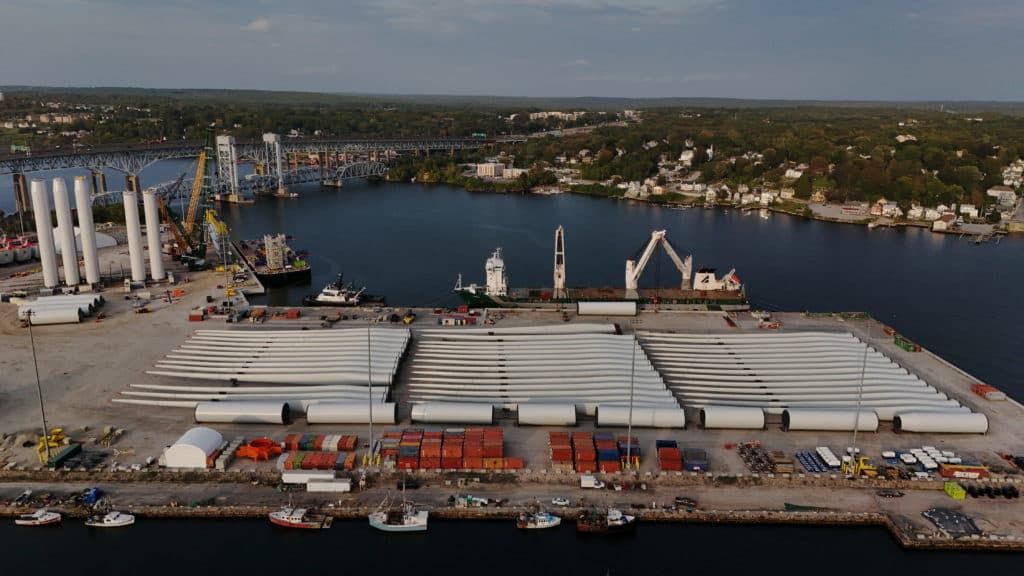
In a significant move that could impact renewable energy initiatives, the Trump administration has taken steps to halt offshore wind development, citing national security concerns. This decision, which has been in the works since late last year, raises questions about the future of renewable energy projects along the coasts of the United States.
National Security Concerns
The administration's stance is rooted in claims that offshore wind farms pose potential risks to national security. Officials have indicated that these developments could interfere with military operations and radar systems, leading to a push against the expansion of wind energy projects that have been proposed in various coastal areas.
Opponents of the administration's decision argue that the move undermines efforts to combat climate change and transition to cleaner energy sources. They contend that offshore wind energy has the potential to provide significant amounts of clean electricity while creating jobs and stimulating economic growth in coastal communities.
Impact on Renewable Energy Initiatives
The halt on offshore wind development comes at a time when many states are actively pursuing renewable energy solutions to meet environmental goals. As the demand for sustainable energy sources increases, the decision has sparked concerns among environmental advocates and industry leaders about the long-term implications for the wind energy sector.
As the situation unfolds, stakeholders in the renewable energy field are closely monitoring the administration's actions and their potential impact on future projects. The ongoing debate highlights the tension between national security priorities and the push for sustainable energy solutions in the face of climate change challenges.