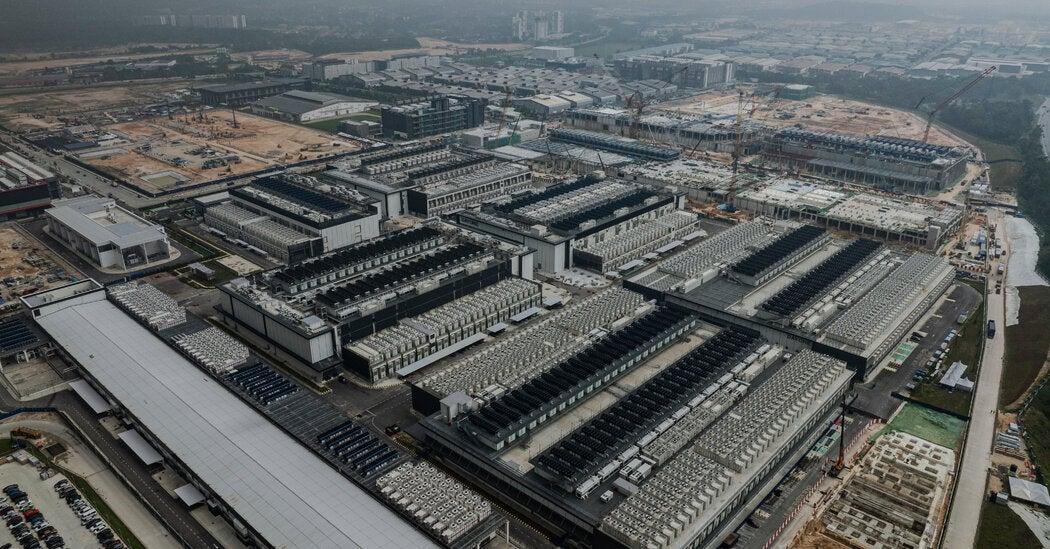
New U.S. Restrictions on A.I. Chips Impact Southeast Asia
Recent changes in U.S. policy regarding artificial intelligence (A.I.) chip technology are creating significant uncertainty in Southeast Asia, potentially jeopardizing billions of dollars in investments. As the U.S. implements stricter regulations on the export of advanced semiconductor technology, countries in the region are faced with the challenge of navigating their economic relationships with both Washington and Beijing.
The new rules, aimed at curbing China's access to cutting-edge A.I. technologies, have raised concerns among Southeast Asian nations that rely heavily on foreign investments and trade. The region has been a focal point for global tech companies looking to expand their operations, but these restrictions could alter the landscape, forcing countries to reconsider their strategic partnerships and investment plans.
Economic Implications for Regional Partnerships
As Southeast Asian nations grapple with the implications of these new U.S. policies, they are likely to face increased pressure to align with American interests. This could lead to a reevaluation of existing trade agreements and investment strategies, as countries weigh the benefits of maintaining strong ties with the U.S. against the risks of alienating China, a significant economic partner in the region.
The balancing act is further complicated by the fact that many Southeast Asian countries have been trying to attract foreign investment in technology sectors, which are crucial for their economic growth. The uncertainty surrounding A.I. chip technology could hinder these efforts, as investors may become wary of the potential fallout from geopolitical tensions.
As the situation develops, the long-term effects of these regulations on Southeast Asia's economy and its relationships with both superpowers remain to be seen. Countries in the region will need to navigate this complex landscape carefully to protect their economic interests and ensure sustainable growth in an increasingly competitive global market.