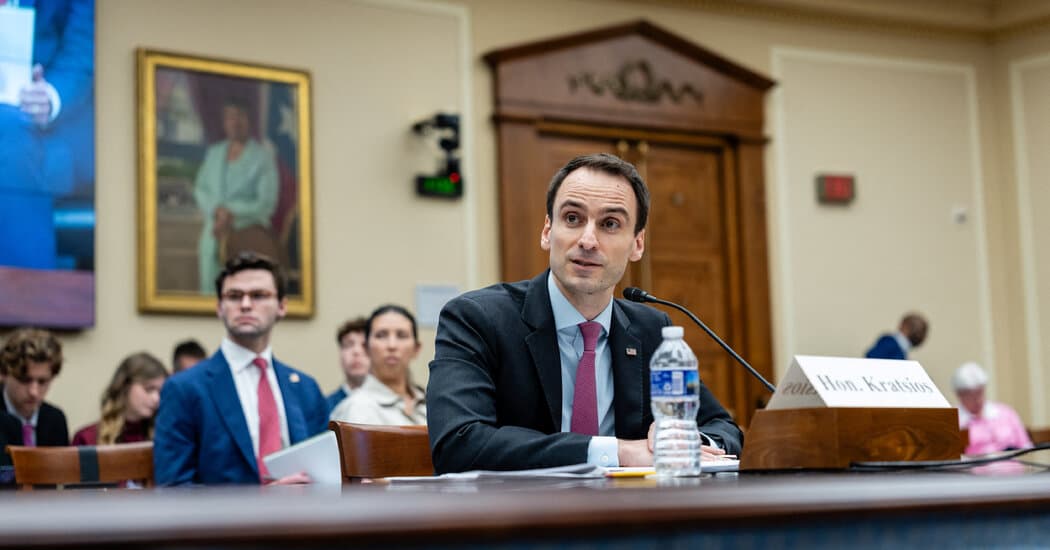
Trump Administration Proposes Shift in Research Funding
In a significant policy shift, the Trump administration has unveiled plans to overhaul the way the federal government allocates funding for scientific research. Michael Kratsios, the administration's science adviser, has proposed increasing financial support for artificial intelligence (A.I.) initiatives while suggesting a reduction in funding for traditional universities. This move has sparked a debate among policymakers and scientists about the future of research in the United States.
Implications for Universities and Research Institutions
The proposed changes aim to redirect resources toward emerging technologies, particularly A.I., which the administration views as a critical area for economic growth and national security. Advocates for this shift argue that investing in A.I. could lead to significant advancements and maintain the U.S.'s competitive edge in the global technology landscape. However, critics, including many Democrats, have expressed concerns that this approach undermines the foundational role that universities play in scientific discovery and education.
Democratic leaders have accused the Trump administration of weakening the scientific community by prioritizing certain fields over others. They argue that universities are essential for a broad range of research, which includes not only A.I. but also critical studies in health, climate change, and other pressing global issues. The potential decrease in funding for these institutions could hinder their ability to conduct vital research and train the next generation of scientists.
The debate surrounding this funding overhaul highlights the ongoing tensions between different scientific priorities and the role of government in supporting innovation. As the administration moves forward with its plan, the impact on both A.I. development and traditional research institutions remains to be seen, with many stakeholders closely monitoring the situation.