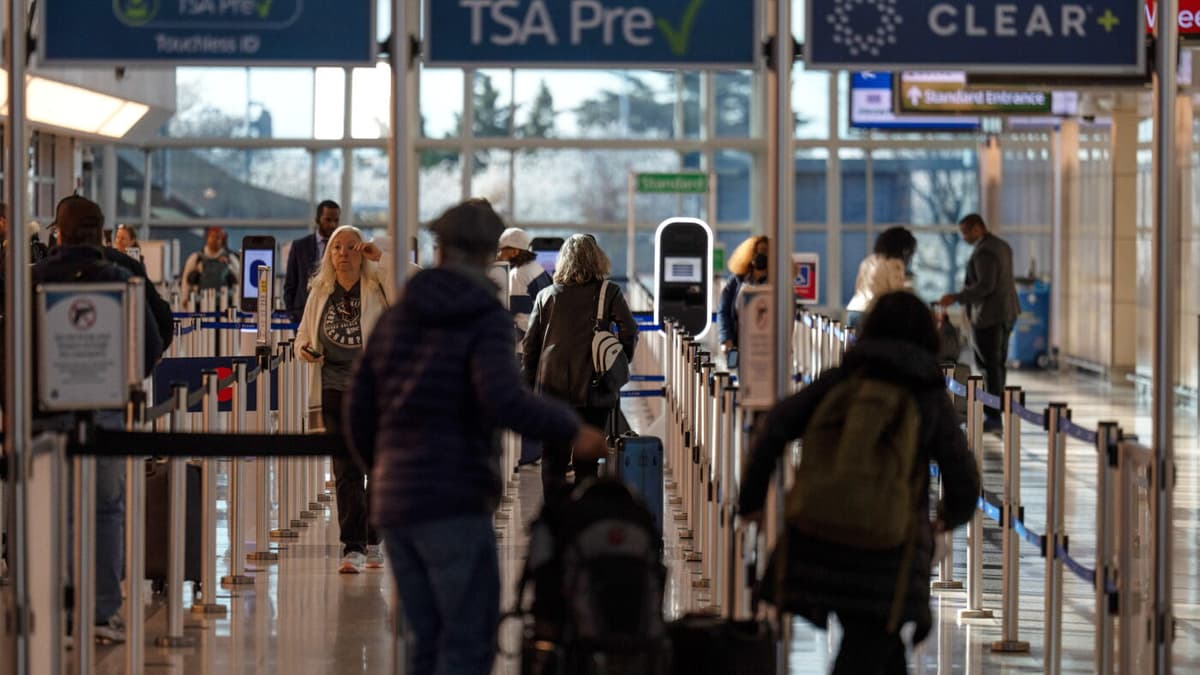
The Transportation Security Administration (TSA) has announced a significant policy change that will allow some individuals without plane tickets to access airport gates. This decision marks a notable shift in airport security protocols, reviving a practice that largely vanished following the September 11, 2001, terrorist attacks.
New Policy Aims to Reconnect Travelers with Loved Ones
As the nation observes the 25th anniversary of the 9/11 attacks, the TSA's new initiative aims to enhance the airport experience for those accompanying travelers. The policy will enable friends and family members to pass through security checkpoints and access the terminal's gate areas, providing an opportunity to see loved ones off before their flights.
This change is expected to foster a more welcoming atmosphere at airports, reminiscent of the pre-9/11 era when gate access was more common. The TSA has indicated that the policy will be implemented in phases and will initially be available at select airports. The agency plans to assess the program's effectiveness and safety implications as it rolls out across the country.
Enhancing Security While Encouraging Accessibility
While the TSA aims to balance security with accessibility, the decision has raised questions about potential risks associated with increased foot traffic in secure areas. The agency has assured the public that enhanced security measures will remain in place to ensure passenger safety. Screening procedures will be adjusted to accommodate the new policy, with a focus on maintaining a secure environment for all travelers.
As airports and airlines prepare for the implementation of this policy, many are expressing optimism about the positive impact it could have on the travel experience. By allowing non-ticketed individuals to access gate areas, the TSA is taking steps to revive a sense of community and connection that has been largely absent in recent years.