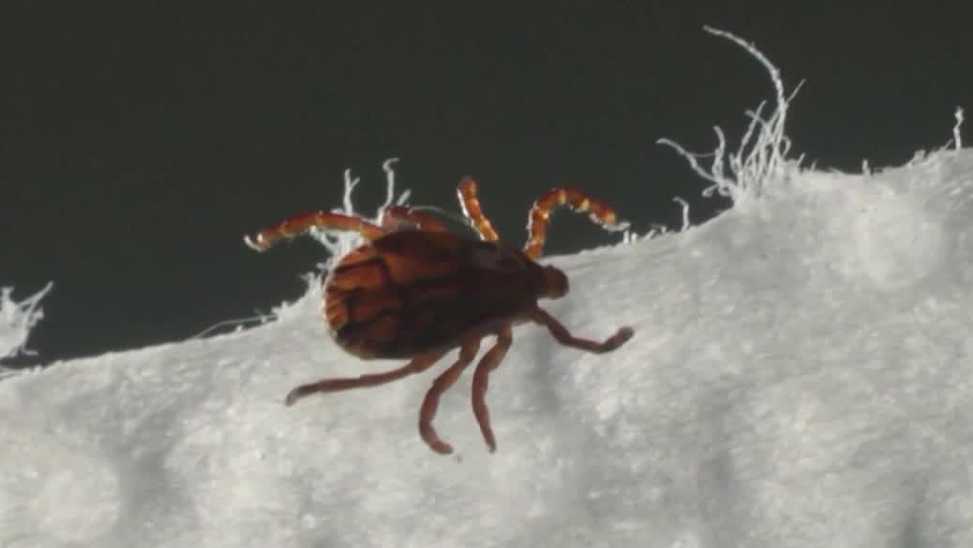
The University of New Hampshire (UNH) has been awarded an $8 million grant aimed at studying ticks, the diseases they transmit, and the environments that support their proliferation. This significant funding will enable researchers to delve into the complexities of tick ecology and the public health implications associated with tick-borne illnesses.
Research Focus and Objectives
The primary objective of this research initiative is to enhance understanding of tick behaviors, their habitat preferences, and the pathogens they carry. By exploring these areas, researchers hope to develop better strategies for managing tick populations and mitigating the risks of diseases such as Lyme disease and other tick-borne illnesses. The grant will support a multidisciplinary approach, incorporating expertise from various fields to address the growing concern of tick-related health issues.
UNH plans to collaborate with other institutions and public health organizations to gather comprehensive data that could lead to improved public health policies and preventive measures. The research is expected to provide valuable insights into the environmental factors that contribute to tick populations, including climate change and land use practices.
Implications for Public Health
This funding comes at a crucial time as the prevalence of tick-borne diseases has been on the rise in many regions. By understanding the dynamics of tick populations and the diseases they spread, the research aims to inform both public health officials and the general public about effective prevention strategies. The findings could also lead to the development of new tools and resources for healthcare providers dealing with tick-related health issues.
As the project unfolds, UNH anticipates sharing its findings with the broader community, emphasizing the importance of awareness and education in combating tick-borne diseases. The university's commitment to addressing this public health challenge highlights the critical role of academic research in understanding and mitigating the impacts of environmental health threats.