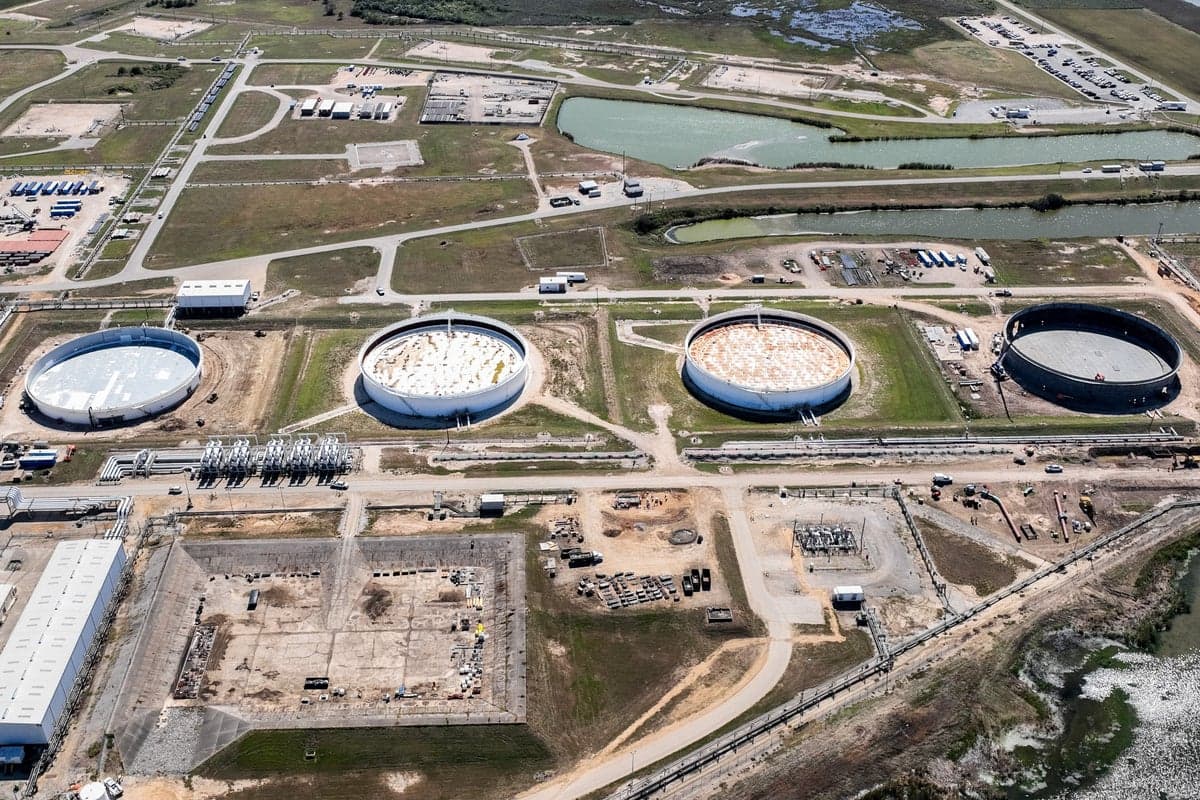
U.S. Oil Reserves Hit Record Lows Amid Supply Strain
As the United States grapples with unprecedented late-summer pump prices, concerns are rising over the nation's dwindling oil reserves. The national average for gasoline prices reached a mid-August record of $4.07 per gallon, prompting fears of potential damage to the caverns that store these vital reserves.
The current situation is exacerbated by ongoing geopolitical tensions, particularly related to conflicts involving Iran. These tensions have led to significant supply strains, further complicating the already fragile state of the U.S. oil market. Industry experts warn that the combination of low reserves and high prices could have lasting impacts on both consumers and the economy.
Impact on Consumers and the Economy
Drivers across the nation are feeling the impact of rising fuel costs, which have surged significantly in recent weeks. With prices hitting record highs, many are forced to adjust their budgets to accommodate the increased cost of fuel. This situation not only affects individual consumers but also has broader implications for the economy, as higher transportation costs can lead to increased prices on goods and services.
In addition to the immediate financial strain on consumers, the low levels of oil reserves raise concerns about the country's energy security. Experts emphasize the importance of maintaining adequate reserves to weather potential disruptions in supply. The current state of the reserves, coupled with ongoing geopolitical conflicts, underscores the need for strategic planning and management of the nation's energy resources.