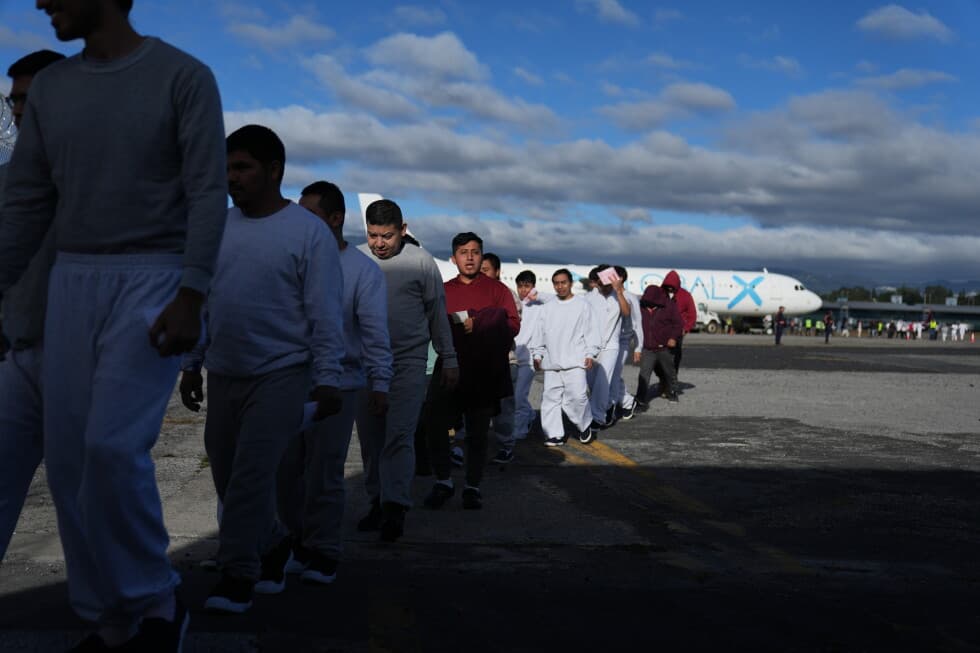
The United States has significantly increased the deportation of Mexican nationals to Central America in recent months. Nearly 2,300 Mexicans have been deported to Guatemala this year alone, with additional deportations occurring to Honduras as well. This surge in deportations reflects ongoing efforts by U.S. authorities to manage immigration and border security amid rising numbers of migrants attempting to enter the country.
Deportation Trends
The uptick in deportations comes as the U.S. government continues to grapple with complex immigration challenges. The decision to send individuals back to their home countries is part of a broader strategy aimed at discouraging irregular migration and ensuring that immigration laws are enforced. The deportations to Guatemala and Honduras highlight the U.S. focus on regional cooperation in addressing migration issues.
Officials have noted that the deportation process includes a range of legal and logistical considerations. Many of those deported have faced various circumstances that led to their migration, and the U.S. government is working to streamline the deportation process while ensuring compliance with international and domestic laws.
Impact on Communities
The increase in deportations has raised concerns among community organizations and advocates who work with migrant populations. They argue that deportations can disrupt families and communities, particularly in areas where individuals have established lives and support networks. The implications of these deportations are felt not only in the U.S. but also in the home countries of those being sent back, where reintegration can pose significant challenges.
As the situation continues to evolve, both the U.S. and Central American nations are likely to face ongoing discussions about immigration policy and the humanitarian aspects of deportations. The impact of these actions will be closely monitored by various stakeholders invested in the future of migration in the region.