US Regulators to Evaluate Controversial Peptides Amid Rising Demand
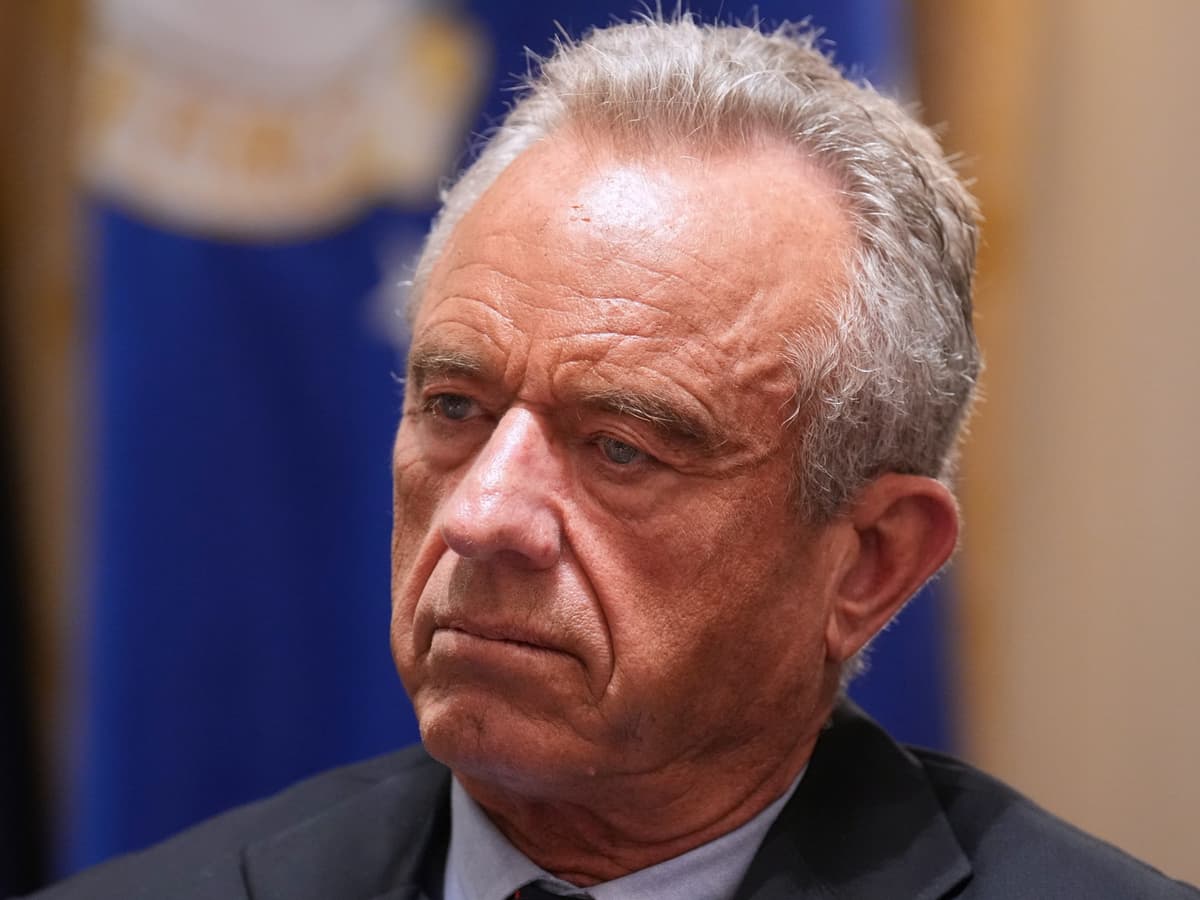
As demand for certain peptides surges, U.S. regulators are preparing to assess the safety and efficacy of these compounds, which have been promoted for various health benefits, including improved sleep, muscle growth, and anti-aging effects. The scrutiny comes as notable figures, including Robert F. Kennedy Jr., have endorsed these substances, drawing attention to their potential uses in the wellness industry.
The Food and Drug Administration (FDA) has raised concerns about the evidence supporting the claims made by proponents of these peptides. Despite their popularity, the regulatory body is questioning whether the available research is sufficient to substantiate the touted benefits. This has sparked a broader conversation about the safety of unregulated supplements and the need for rigorous scientific validation.
Regulatory Challenges Ahead
As the market for these peptides expands, consumers are increasingly turning to them in hopes of achieving better health outcomes. However, the lack of comprehensive studies and regulatory oversight poses significant challenges. The FDA's inquiry into these compounds may lead to stricter regulations or even a potential ban if they are deemed unsafe or ineffective.
The outcome of this evaluation could have far-reaching implications for both consumers and the supplement industry. If the FDA decides to impose regulations, it may alter how these products are marketed and sold, impacting not only manufacturers but also consumers who rely on these substances for their purported health benefits.
As the situation develops, stakeholders across the health and wellness sectors are closely monitoring the FDA's actions, which could reshape the landscape of dietary supplements and their regulation in the United States.