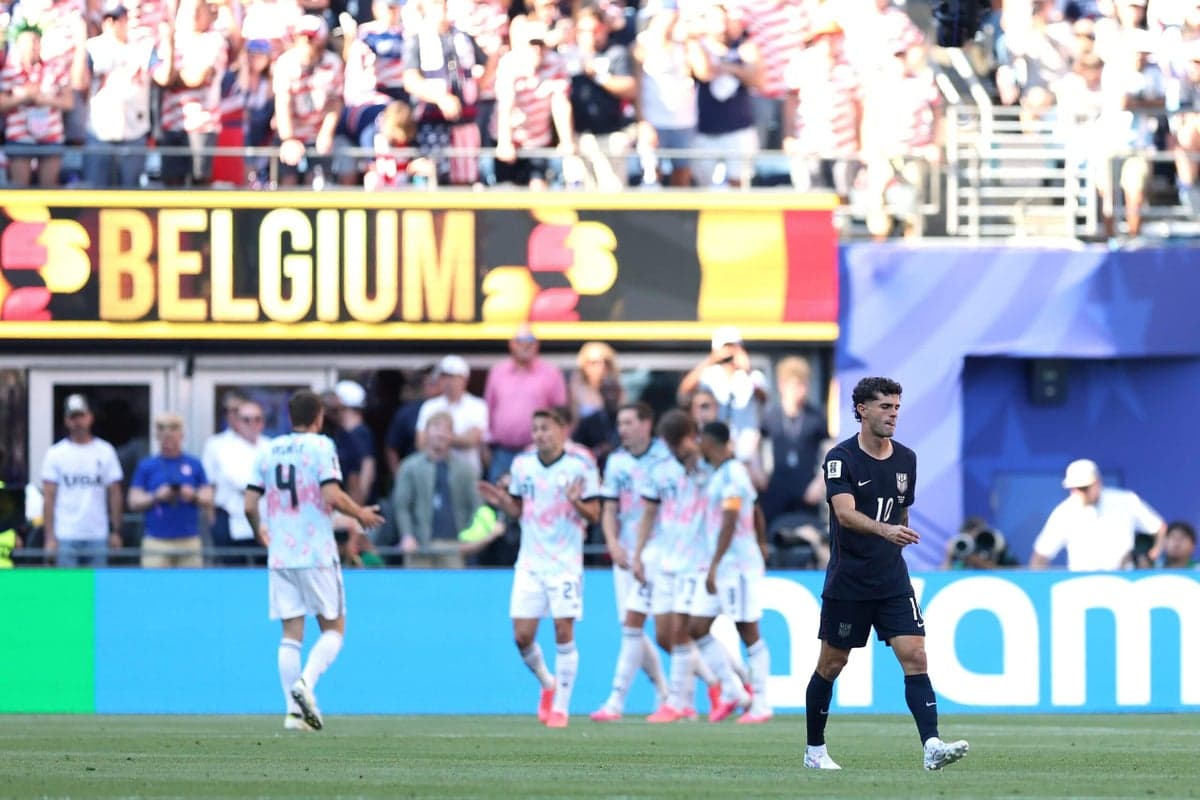
The United States Men's National Team (USMNT) faced a disappointing exit from the World Cup after a lackluster performance against Belgium in the round of 16. The match, held in Seattle, showcased the team's struggles as they were unable to capitalize on opportunities, leading to their elimination from the tournament.
Sloppy Performance Marks Elimination
, the USMNT's defeat was characterized by a series of unforced errors and missed chances. The team struggled to maintain possession and create effective scoring opportunities, ultimately falling short against a more disciplined Belgian squad. Analysts noted that the U.S. Players seemed overwhelmed by the pressure of the knockout stage, which contributed to their inability to perform at their best.
One of the key players, Folarin Balogun, who had been a focal point of controversy leading up to the match, was largely ineffective during the game. His performance did not meet the expectations set by fans and analysts alike, raising questions about his readiness and impact on the field. The lack of contribution from Balogun was felt throughout the match, as the team struggled to find a rhythm in their attacking play.
Post-Match Analysis
In the aftermath of the defeat, writers from The New York Times provided insights into the team's performance, highlighting the need for improvement in key areas. The analysis pointed out that the USMNT must address its inconsistencies and develop a stronger strategy for future competitions. With the World Cup behind them, the focus will shift toward rebuilding and preparing for the next international fixtures.
The disappointing exit has left fans and players alike reflecting on what could have been. The USMNT's journey in this World Cup showcased both the potential and the pitfalls of the team, emphasizing the importance of preparation and execution at the highest levels of competition. As they look to the future, the lessons learned from this experience will be crucial in shaping the team's path forward.