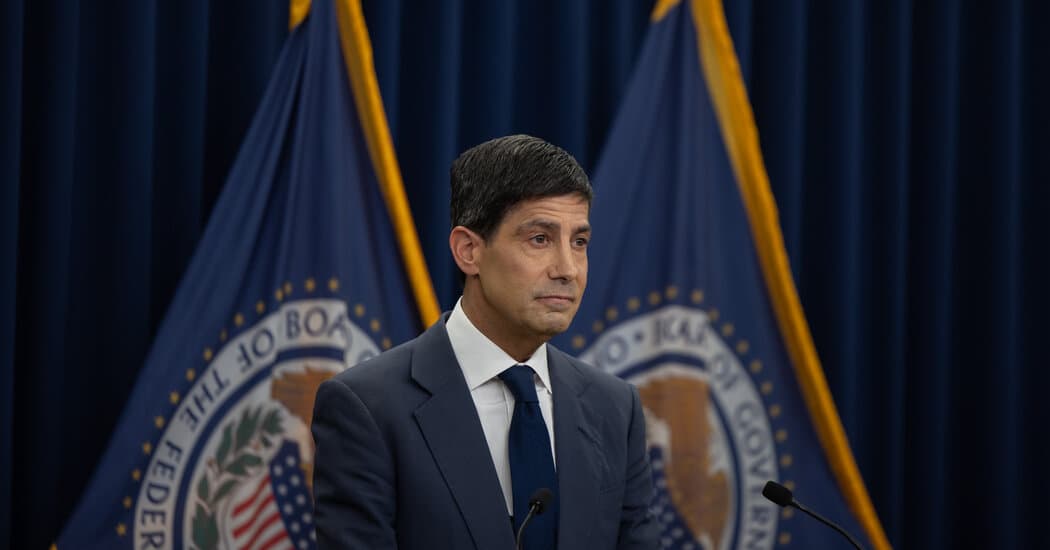
The Federal Reserve is contemplating a significant change in its policy meeting schedule, with Chairman Kevin M. Warsh considering a reduction in the frequency of these meetings. Traditionally, the Federal Reserve has convened at least eight times a year for decades, making any alteration to this routine noteworthy.
Potential Impacts of Fewer Meetings
If the Federal Reserve decides to move forward with this proposal, it would mark a substantial shift in how the central bank operates under Warsh's leadership. This change could potentially affect how monetary policy is communicated to the public and the financial markets, as fewer meetings may lead to less frequent updates on economic assessments and policy decisions.
The implications of reducing the number of meetings could be far-reaching, influencing everything from market stability to public perception of the Federal Reserve's responsiveness to economic changes. Stakeholders, including economists and investors, will be closely monitoring any developments regarding this proposal.
Historical Context
Historically, the Federal Reserve's regular meetings have played a crucial role in shaping U.S. monetary policy. The consistency of these gatherings has allowed for timely discussions and adjustments based on evolving economic conditions. As Warsh considers this change, it raises questions about the future direction of the Federal Reserve and its approach to managing the economy.
As discussions continue, the outcome of this potential policy shift will be of significant interest to those involved in economic planning and analysis, as well as to the general public who rely on the Federal Reserve's guidance in uncertain economic times.