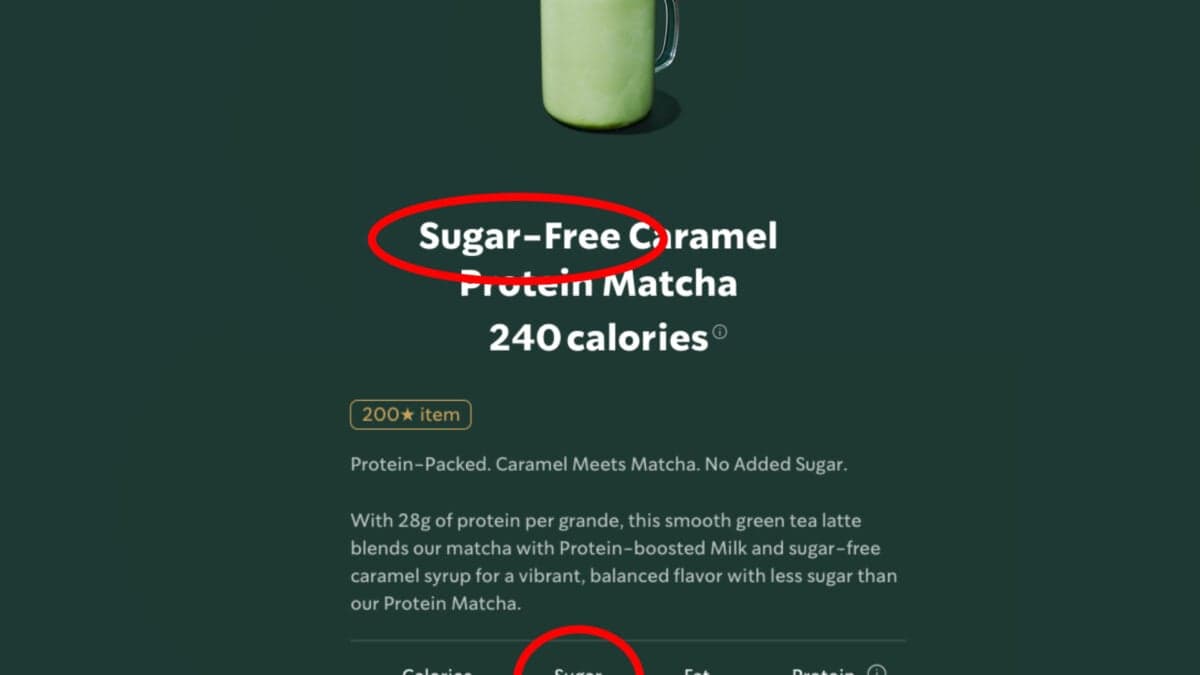
Starbucks customers are expressing confusion over the labeling of certain drinks marketed as "sugar-free," as it has come to light that these beverages may still contain sugar. The discrepancy between "sugar-free" and "no added sugar" has raised questions about the transparency of the coffee giant's product information.
The term "sugar-free" typically implies that a product contains no sugar at all. However, in the case of some Starbucks drinks, this labeling has led to misunderstandings among consumers. While the drinks may not have added sugars, they can still contain naturally occurring sugars or sugar substitutes that may not align with customers' dietary preferences.
Consumer Reactions
Many patrons have taken to social media platforms to voice their concerns about the misleading terminology. Customers who are looking to reduce their sugar intake are particularly frustrated, as they expect "sugar-free" options to meet their dietary needs without any sugar content. This has sparked discussions about the importance of clear and accurate labeling in the food and beverage industry.
Starbucks has yet to provide a detailed explanation regarding the labeling of these drinks. As consumers demand more transparency in food labeling, the company may need to address these concerns to maintain customer trust and satisfaction. The conversation around sugar content in beverages continues to grow, with health-conscious individuals seeking clarity on what they are consuming.
The Importance of Clarity in Labeling
This situation highlights a broader issue within the food and beverage sector, where consumers often encounter ambiguous terms that can lead to confusion. As dietary awareness increases, the need for clear and precise labeling becomes more critical. Companies are encouraged to review their marketing strategies to ensure that they are providing accurate information to their customers.
In light of these developments, it remains to be seen how Starbucks will respond to the concerns raised by its customers. As the dialogue around sugar content and health continues, it is essential for brands to foster open communication with their consumers to build trust and ensure informed choices.