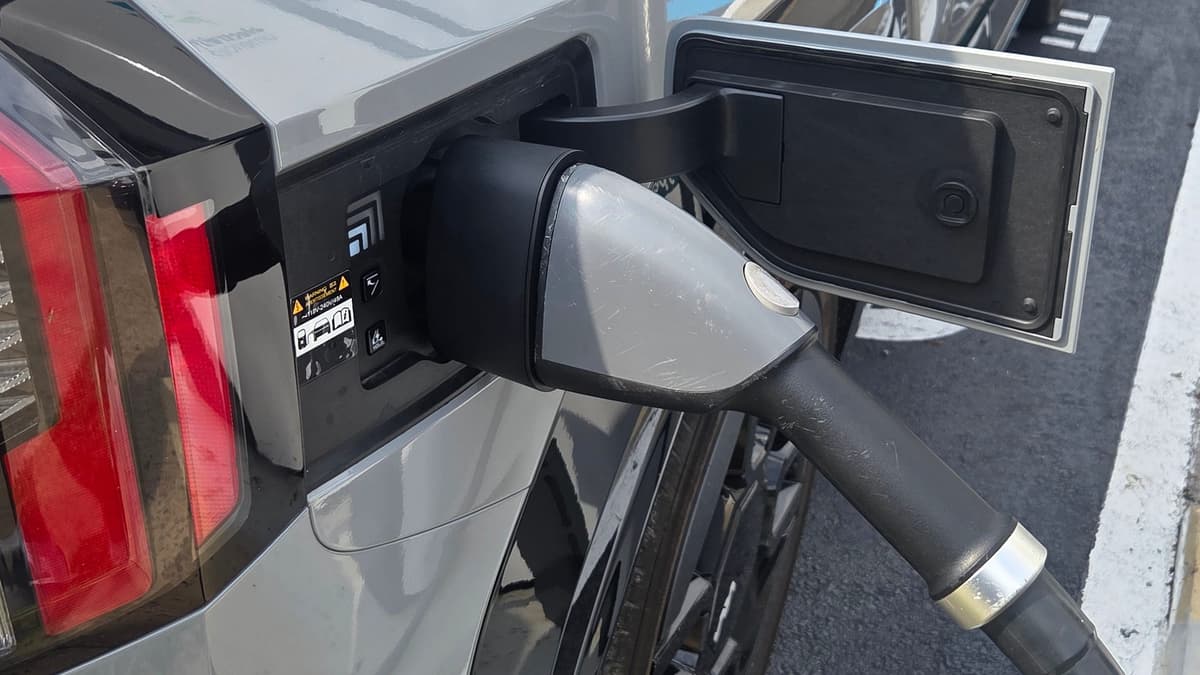
One year after the elimination of U.S. electric vehicle (EV) tax credits by President Donald Trump and the Republican administration, the electric vehicle industry has experienced significant shifts. The decision to remove these incentives has had a profound impact on both consumers and manufacturers, prompting a reevaluation of strategies across the industry.
Impact on Sales and Consumer Choices
Following the removal of the tax credits, many consumers have faced higher upfront costs when purchasing electric vehicles. This has led to a noticeable decline in sales for some EV models, particularly those that were heavily reliant on tax incentives to attract buyers. Manufacturers have reported that the absence of these credits has caused potential buyers to reconsider their choices, often opting for traditional gasoline-powered vehicles instead.
In response to the changing market dynamics, some automakers have begun to adjust their pricing strategies and marketing approaches. Certain companies are focusing on enhancing the value proposition of their electric vehicles through improved features, longer ranges, and competitive pricing to maintain consumer interest despite the lack of tax incentives.
Industry Adaptations and Future Outlook
The elimination of tax credits has also prompted manufacturers to invest more in research and development to improve battery technology and reduce production costs. Many companies are exploring alternative funding sources and incentives at the state or local level to help offset the loss of federal support.
Looking ahead, the electric vehicle industry remains optimistic about its long-term growth potential. Despite the challenges posed by the removal of tax credits, advancements in technology and increasing consumer awareness about environmental issues continue to drive interest in electric vehicles. Industry experts believe that as infrastructure improves and more affordable EV options become available, the market may rebound and thrive in the coming years.