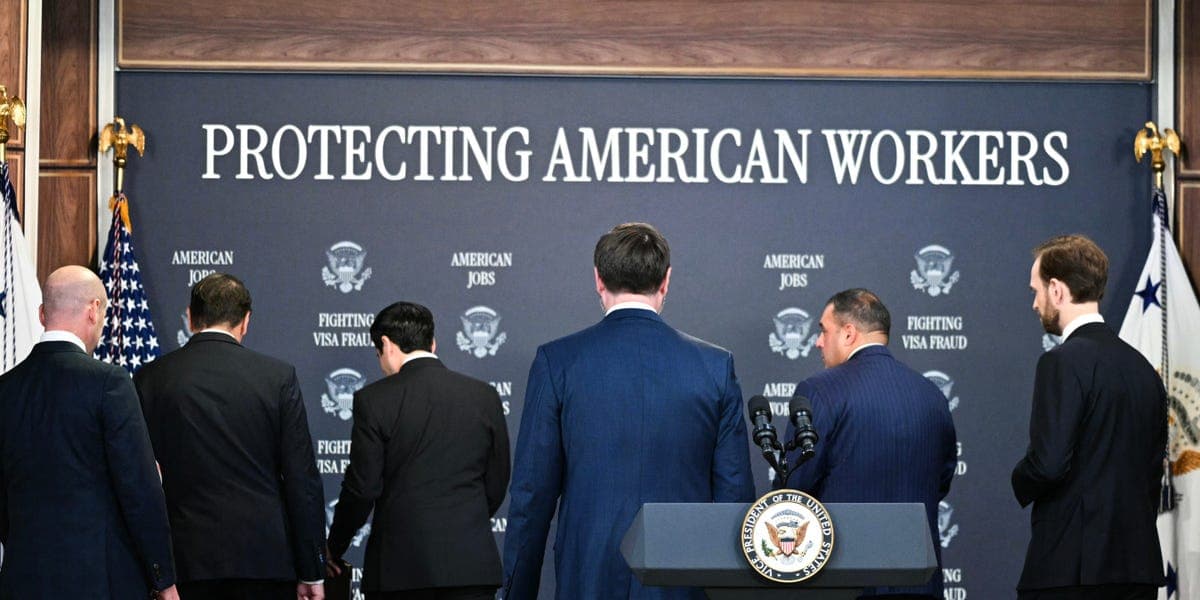
The recent suspension of the Program Electronic Review Management (PERM) process by Microsoft has sparked renewed discussions regarding the implications of stricter skilled-immigration policies on American workers and businesses. This decision has drawn attention not only within the tech industry but also among policymakers and labor advocates, who are weighing the potential impacts of such policies on the economy and workforce.
Debate Over Immigration Policies
Supporters of stricter immigration policies argue that these measures are necessary to protect American jobs, ensuring that skilled positions are reserved for U.S. workers. They contend that the influx of foreign workers can lead to wage suppression and job displacement for American citizens. In contrast, critics assert that these policies can hinder innovation and growth within the tech sector, as companies like Microsoft rely on a diverse talent pool to drive technological advancements and maintain competitiveness in a global market.
The suspension of the PERM process has raised concerns among industry leaders who argue that limiting access to skilled foreign workers could stifle growth and lead to talent shortages. Many tech companies have expressed the need for flexibility in hiring practices to adapt to rapidly changing market demands, emphasizing that a diverse workforce is essential for fostering creativity and innovation.
Implications for the Tech Industry
As the debate continues, the tech industry remains on high alert regarding potential changes to immigration policy. Companies are closely monitoring the situation, as any long-term changes could significantly impact their ability to attract and retain top talent. The uncertainty surrounding skilled immigration processes may also lead to shifts in hiring strategies, with some companies considering alternative locations for their operations or investing more heavily in training and development for domestic workers.
As discussions evolve, the outcome of this debate could have lasting effects on both the labor market and the broader economy. Stakeholders from various sectors are urged to engage in dialogue to find a balance that protects American workers while also fostering an environment conducive to innovation and economic growth.