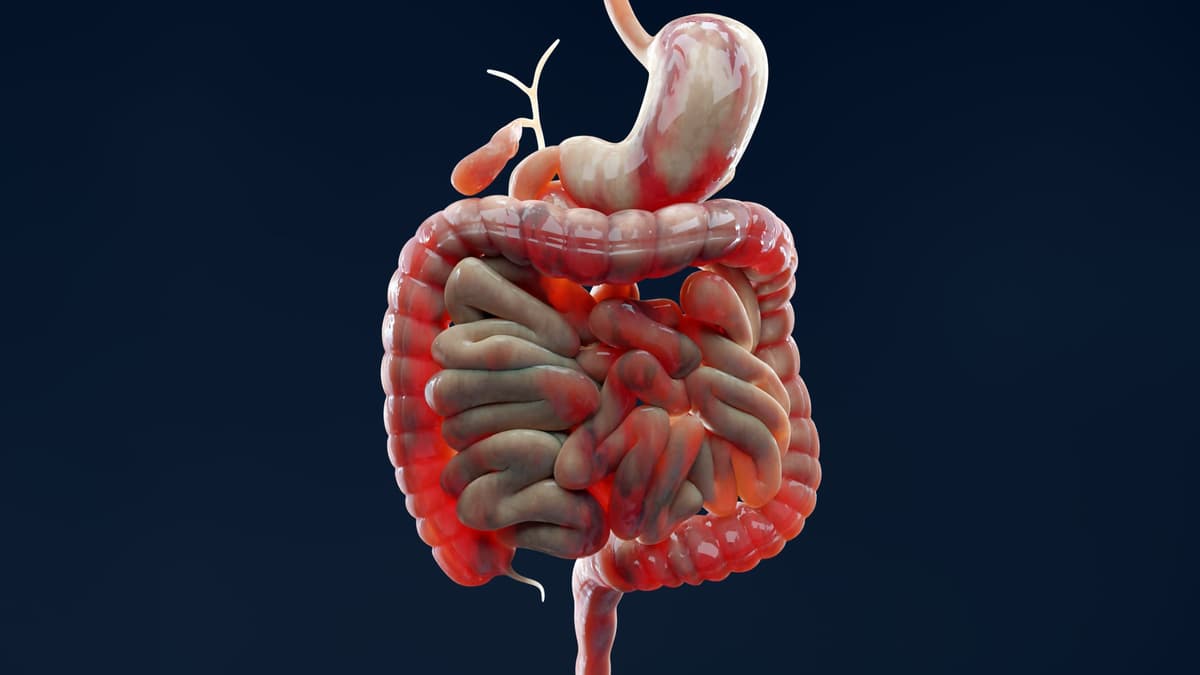
Recent research has shed light on a persistent issue faced by individuals with inflammatory bowel disease (IBD), revealing potential reasons behind the recurrent flare-ups that many experience even after periods of feeling better. This study focuses on the gut lining, which plays a crucial role in managing inflammation and maintaining overall gut health.
Understanding Inflammatory Bowel Disease
IBD encompasses a range of chronic conditions characterized by inflammation of the gastrointestinal tract, including Crohn's disease and ulcerative colitis. While treatments can provide relief and lead to periods of remission, many patients find that their symptoms can return unexpectedly. This cycle of flare-ups poses significant challenges for effective long-term management of the disease.
The recent findings suggest that the gut lining may hold important clues to understanding why these flare-ups occur. Researchers are exploring the complex interactions between gut bacteria, the immune system, and the gut's physical barriers. These interactions can influence the inflammatory processes that lead to the symptoms associated with IBD.
Implications for Treatment
Understanding the mechanisms behind IBD flare-ups could pave the way for more targeted therapies and improved management strategies for patients. By focusing on the health of the gut lining and its ability to regulate inflammation, healthcare providers may be able to develop new approaches that not only address the symptoms of IBD but also reduce the frequency of flare-ups.
As research continues, the hope is that these insights will lead to more effective treatments that can help individuals with IBD achieve lasting remission and enhance their quality of life. The ongoing study of the gut lining represents a promising avenue for future advancements in the understanding and treatment of inflammatory bowel disease.