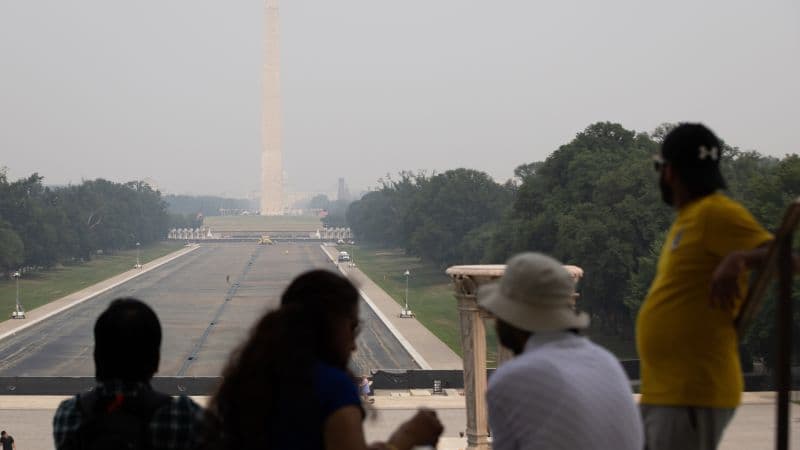
Smoke from wildfires has significantly impacted millions of residents across the Midwest, Northeast, and mid-Atlantic regions of the United States. The pervasive haze has led to the cancellation of numerous outdoor events and has disrupted daily activities for many individuals and families.
Health Concerns and Air Quality
The influx of smoke has raised serious health concerns, particularly for those with pre-existing respiratory conditions. Authorities have issued warnings about poor air quality, advising people to stay indoors and limit outdoor activities. The Environmental Protection Agency has reported that air quality levels in several cities have reached unhealthy thresholds, prompting local health officials to recommend precautions for vulnerable populations, including children and the elderly.
As the smoke continues to blanket urban areas, residents are grappling with the effects on their health and well-being. Many have reported experiencing symptoms such as coughing, throat irritation, and difficulty breathing. Emergency rooms in affected areas have seen an uptick in patients seeking treatment for respiratory issues, highlighting the urgent need for public awareness and safety measures.
Impact on Outdoor Activities
The disruption caused by wildfire smoke has also led to the cancellation of outdoor events across various communities. Festivals, sporting events, and recreational activities have been postponed or called off entirely as organizers prioritize the safety of participants and attendees. Local businesses that rely on outdoor gatherings for revenue are feeling the financial strain as the smoke continues to linger.
As the situation evolves, officials are closely monitoring air quality levels and are prepared to take further action if necessary. Communities are encouraged to stay informed about air quality updates and to take appropriate measures to protect themselves during this challenging time. The smoke from wildfires serves as a reminder of the broader environmental issues at play and the importance of addressing the factors contributing to these devastating events.