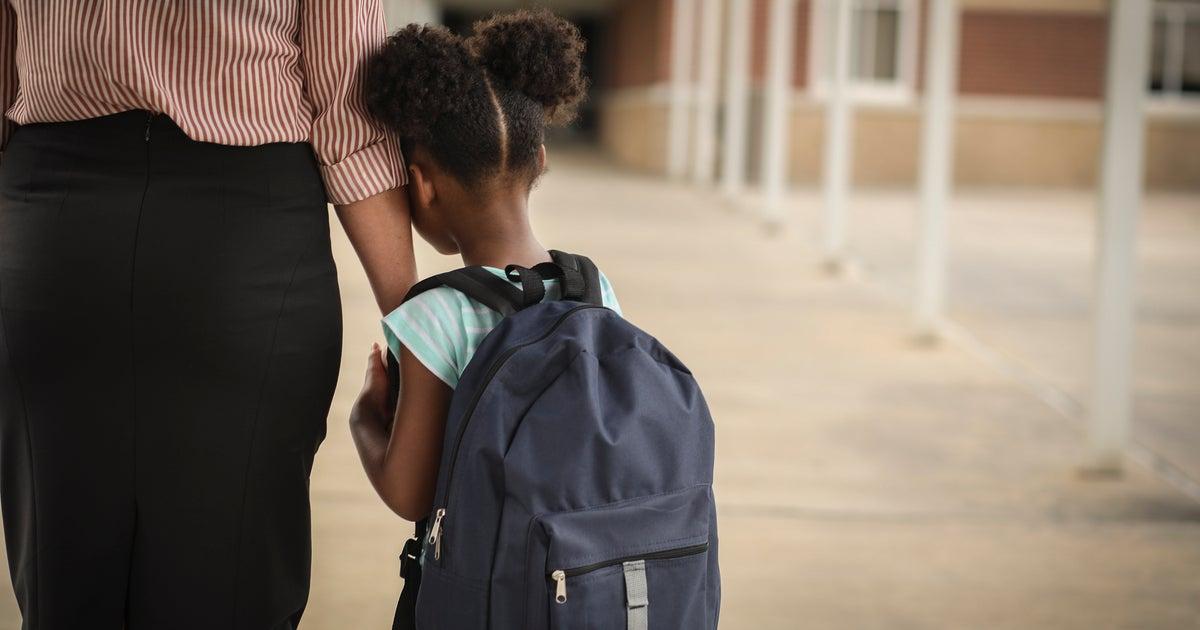
Parents often strive to create a nurturing environment for their children, but some common behaviors may inadvertently contribute to feelings of anxiety in kids. Experts highlight several subtle ways that parental comments and actions can lead to increased stress and worry among children, emphasizing the importance of awareness in parenting practices.
Understanding Parental Impact
One of the primary ways parents can create anxiety is through their own anxious behaviors. Children are highly attuned to their parents' emotional states, and when adults exhibit signs of stress or worry, it can lead to children internalizing those feelings. This can manifest in various ways, from reluctance to engage in social situations to a heightened sense of fear about everyday activities.
Another contributing factor is the language parents use when discussing challenges. Phrasing such as "You have to do well" or "What will people think?" can place undue pressure on children, making them feel that their worth is tied to their achievements. This pressure can foster a fear of failure, which is a significant source of anxiety for many young people.
Encouraging Open Communication
Experts recommend fostering an environment where children feel safe to express their feelings. When parents encourage open dialogue about emotions and stress, it can help children develop coping mechanisms. Parents should also be mindful of their responses to children's fears or concerns. Dismissing a child's worries as trivial can lead to feelings of isolation and increased anxiety.
Additionally, setting realistic expectations and allowing children to experience failure can be beneficial. Learning to navigate setbacks is a crucial part of development, and when parents overprotect or overly shield their children from disappointment, it can hinder their ability to cope with life's challenges. By recognizing these subtle behaviors, parents can take proactive steps to reduce anxiety and promote a healthier emotional environment for their children.