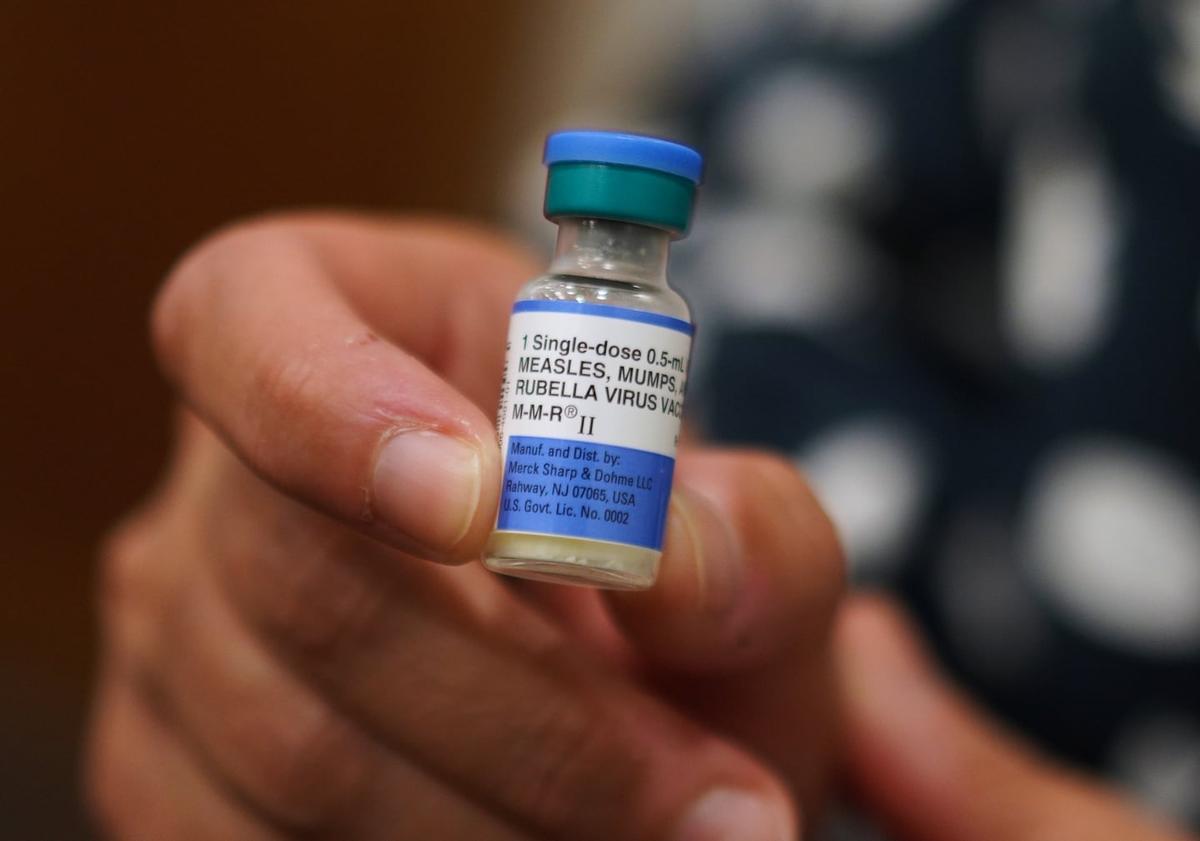
Measles Outbreaks Raise Questions About Vaccine Boosters for Adults
The recent resurgence of measles cases in the United States has raised concerns among health officials and the public alike, particularly regarding the necessity of booster vaccinations for adults. Earlier this week, the country lost its measles-free status, prompting many to reconsider their immunization status and the potential need for additional doses.
Measles, a highly contagious viral disease, can lead to severe complications, including pneumonia and encephalitis, particularly in unvaccinated individuals. The Centers for Disease Control and Prevention (CDC) recommends that individuals born after 1957 receive at least one dose of the measles, mumps, and rubella (MMR) vaccine. However, the current outbreaks have sparked discussions about whether adults should receive booster shots to enhance their immunity.
Understanding Immunity and Vaccination Recommendations
Health experts emphasize that while most adults who received the MMR vaccine in childhood are likely to have adequate immunity, there are exceptions. Adults who are unsure of their vaccination history or who may have received only one dose are encouraged to consult with their healthcare providers about the possibility of receiving a booster. This is particularly important for those who work in healthcare settings or plan to travel internationally, where the risk of exposure to measles is higher.
As the outbreaks continue, public health officials are urging individuals to stay informed about their vaccination status and to take proactive steps to protect themselves and their communities. Vaccination remains one of the most effective ways to prevent the spread of measles and maintain herd immunity, which is crucial for protecting vulnerable populations, including infants and those with compromised immune systems.
In light of the recent developments, it is essential for adults to review their vaccination records and discuss any concerns with their healthcare providers, ensuring that they are adequately protected against this preventable disease.