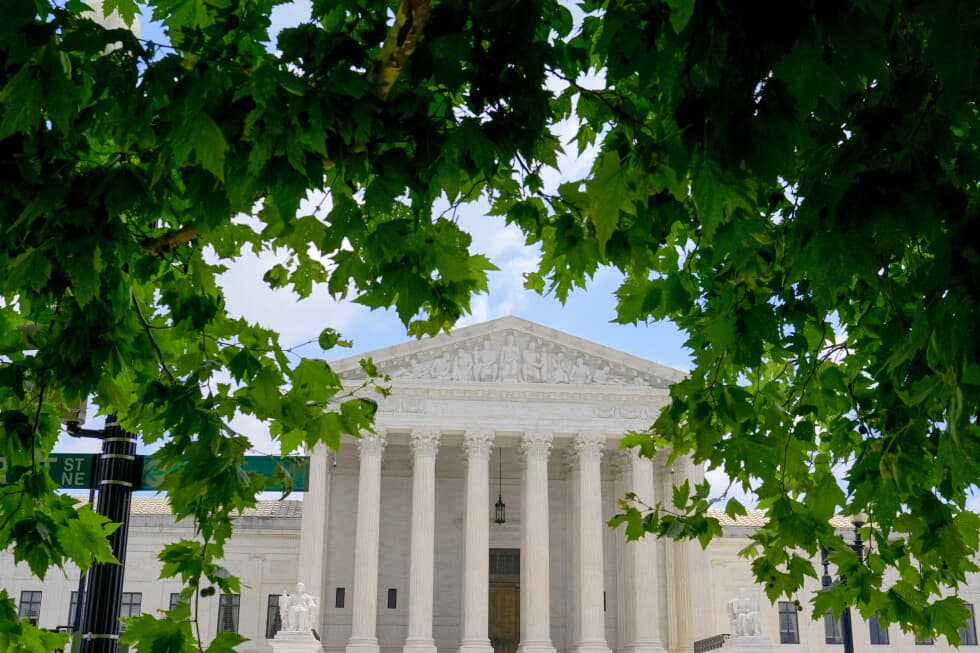
The Supreme Court has upheld a broad interpretation of birthright citizenship, rejecting President Donald Trump’s executive order that sought to limit citizenship rights for children born in the United States to parents who are in the country illegally. This decision reinforces the long-standing legal principle that anyone born on U.S. Soil is automatically granted citizenship, regardless of their parents' immigration status.
Background on the Executive Order
The executive order, issued by Trump during his presidency, aimed to challenge the existing legal framework surrounding the Fourteenth Amendment, which has been interpreted to guarantee citizenship to all individuals born in the United States. Trump's administration argued that the order was necessary to address concerns over illegal immigration and to clarify citizenship rights. However, critics contended that the move would unjustly strip citizenship from thousands of children born to undocumented immigrants.
Implications of the Ruling
The Supreme Court's ruling is seen as a significant victory for advocates of immigrant rights and those who support the constitutional protections afforded to all individuals born in the U.S. Legal experts note that this decision not only reaffirms the principles enshrined in the Constitution but also sets a precedent that could influence future discussions and policies regarding immigration and citizenship.
The ruling comes at a time when immigration remains a contentious issue in American politics, with various proposals and policies being debated at both state and federal levels. As the country continues to grapple with questions of immigration reform, the Supreme Court's decision serves as a reminder of the legal protections that exist for individuals born on American soil.